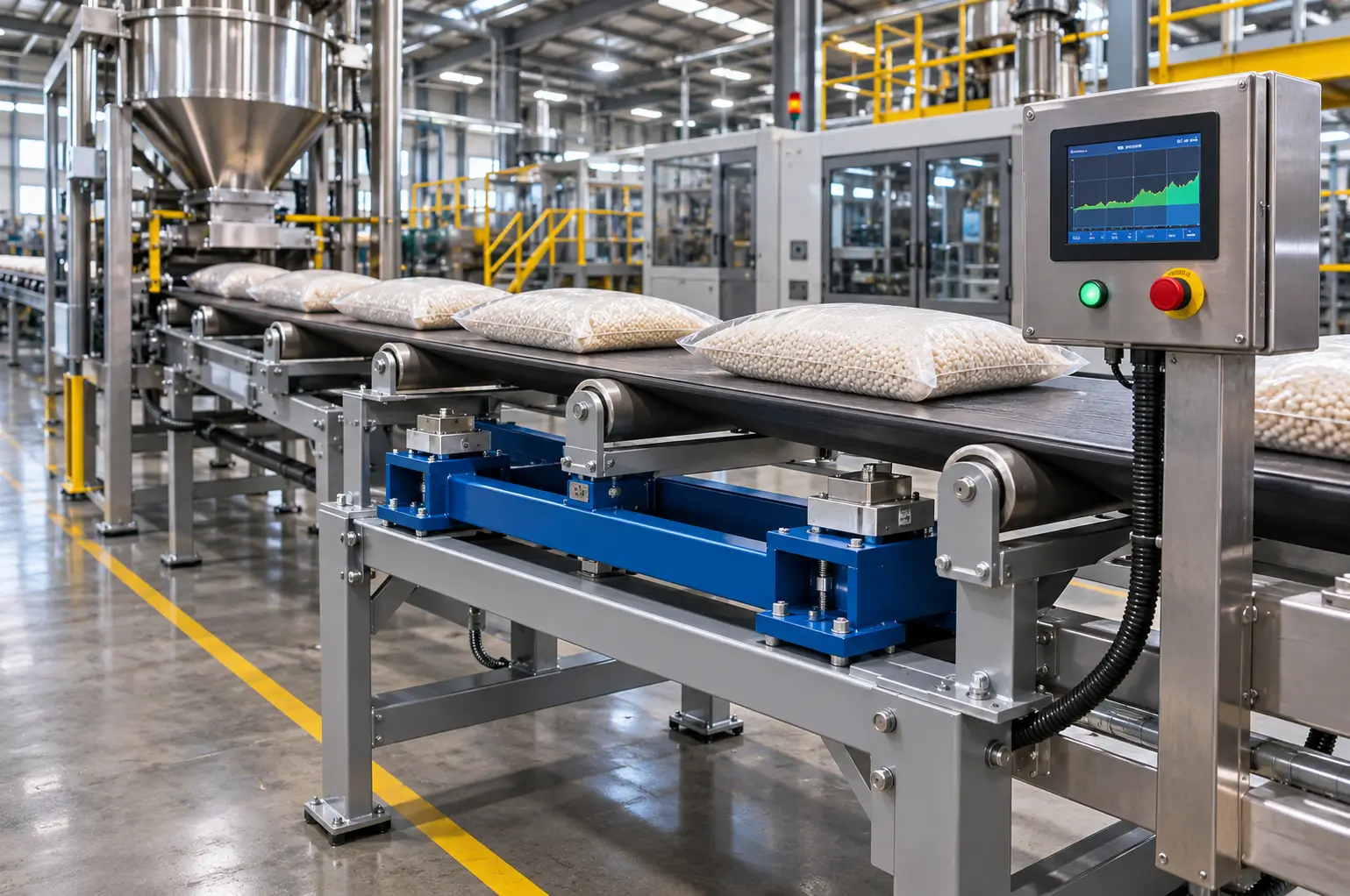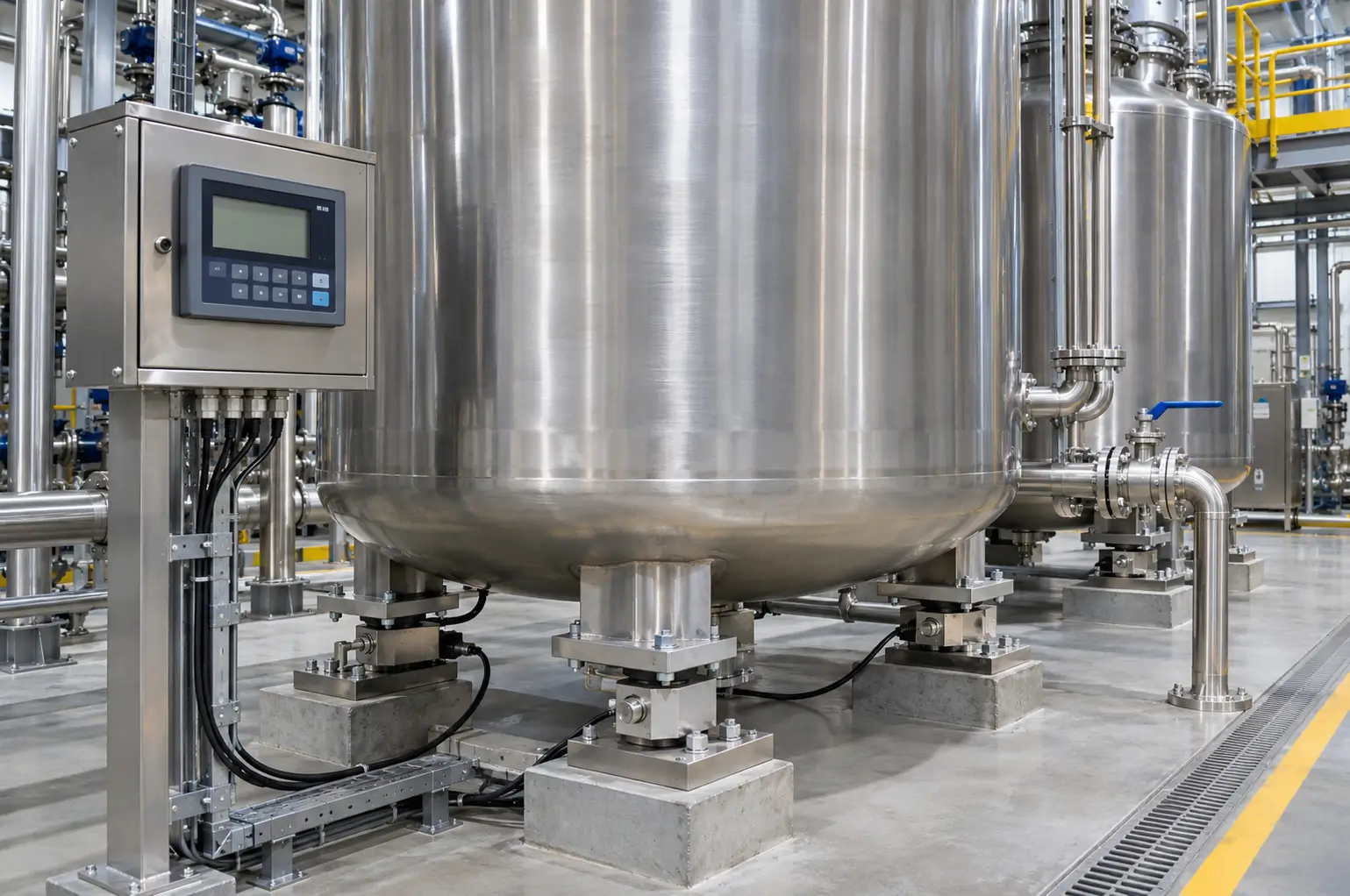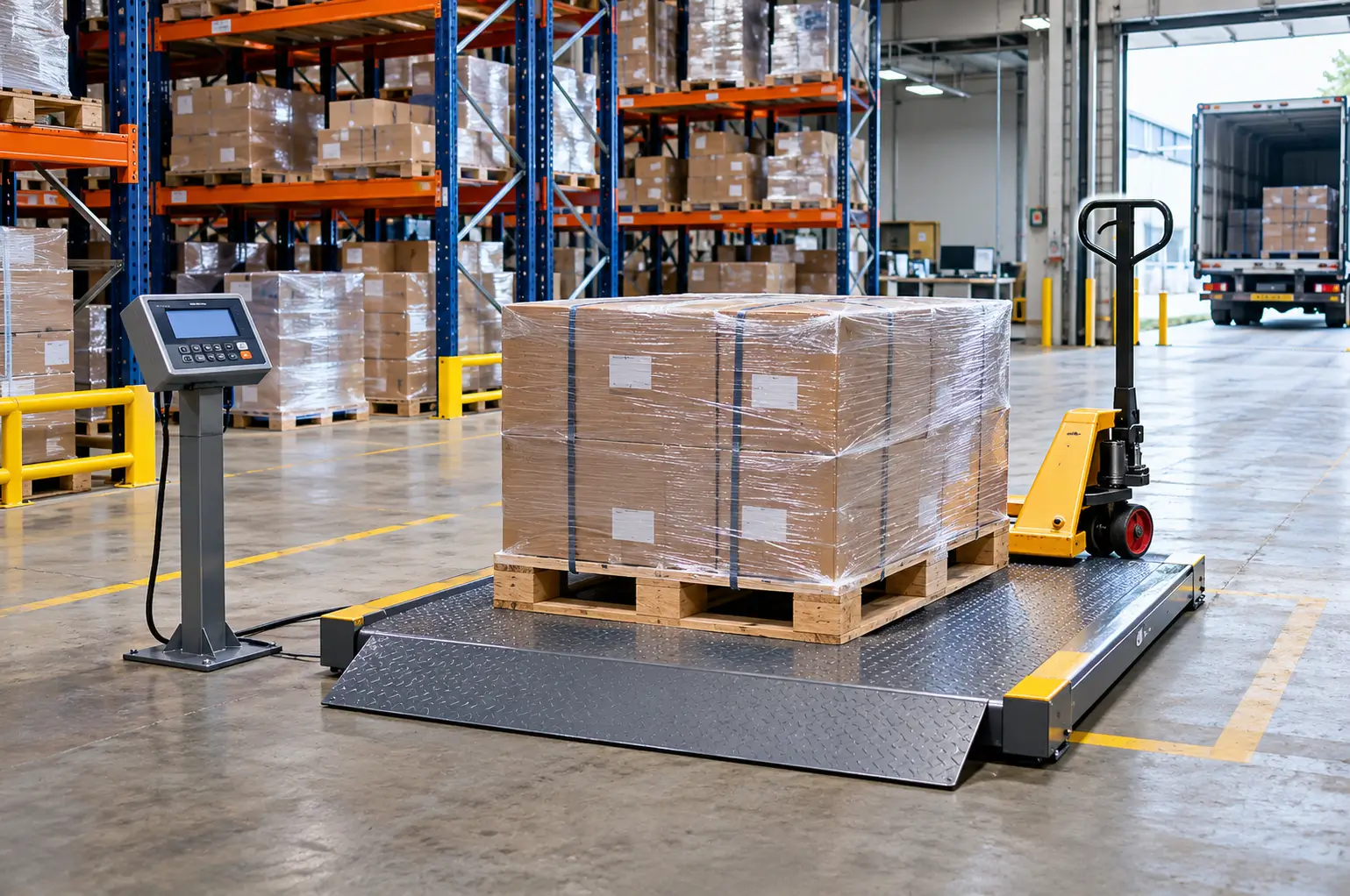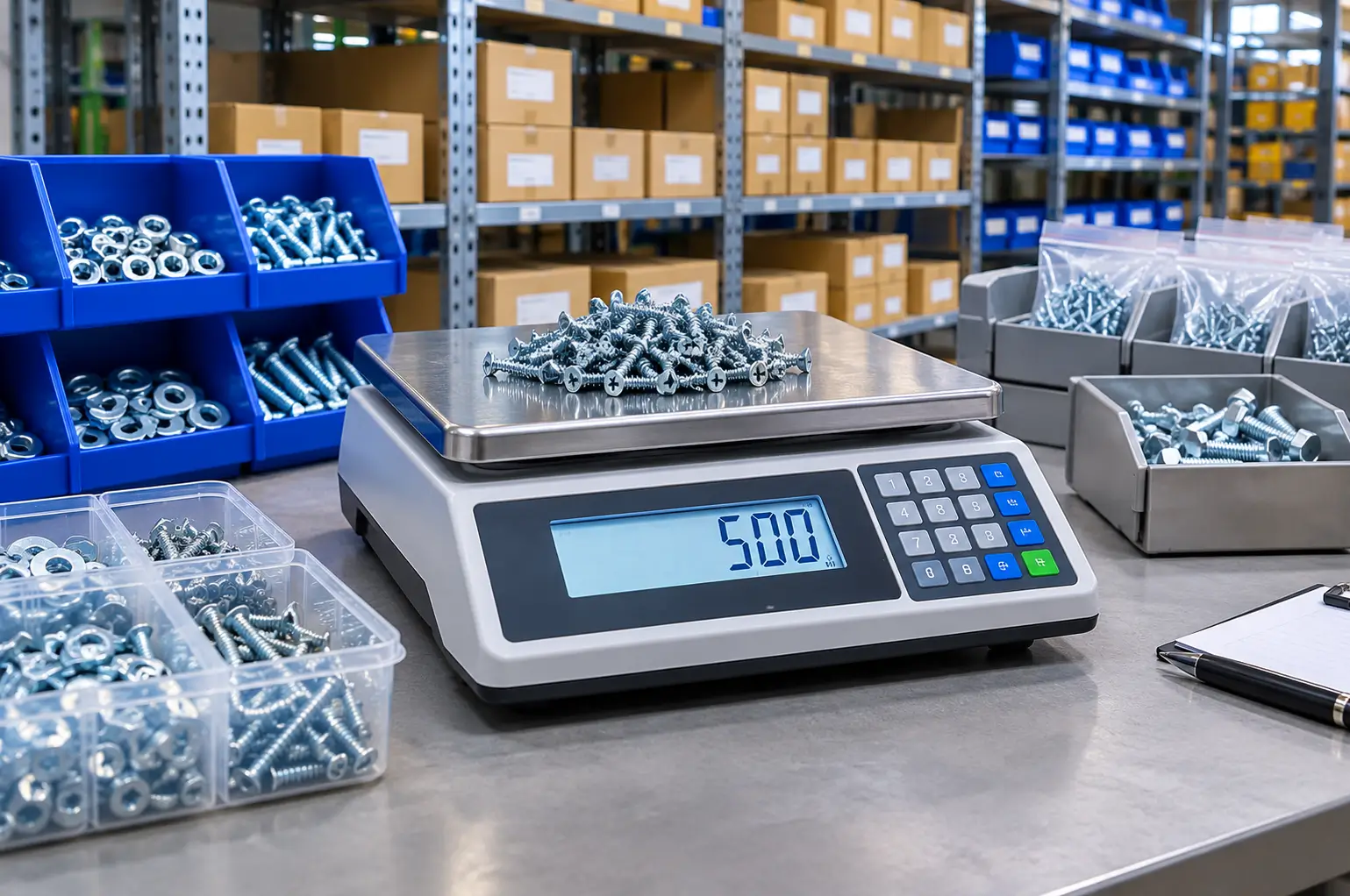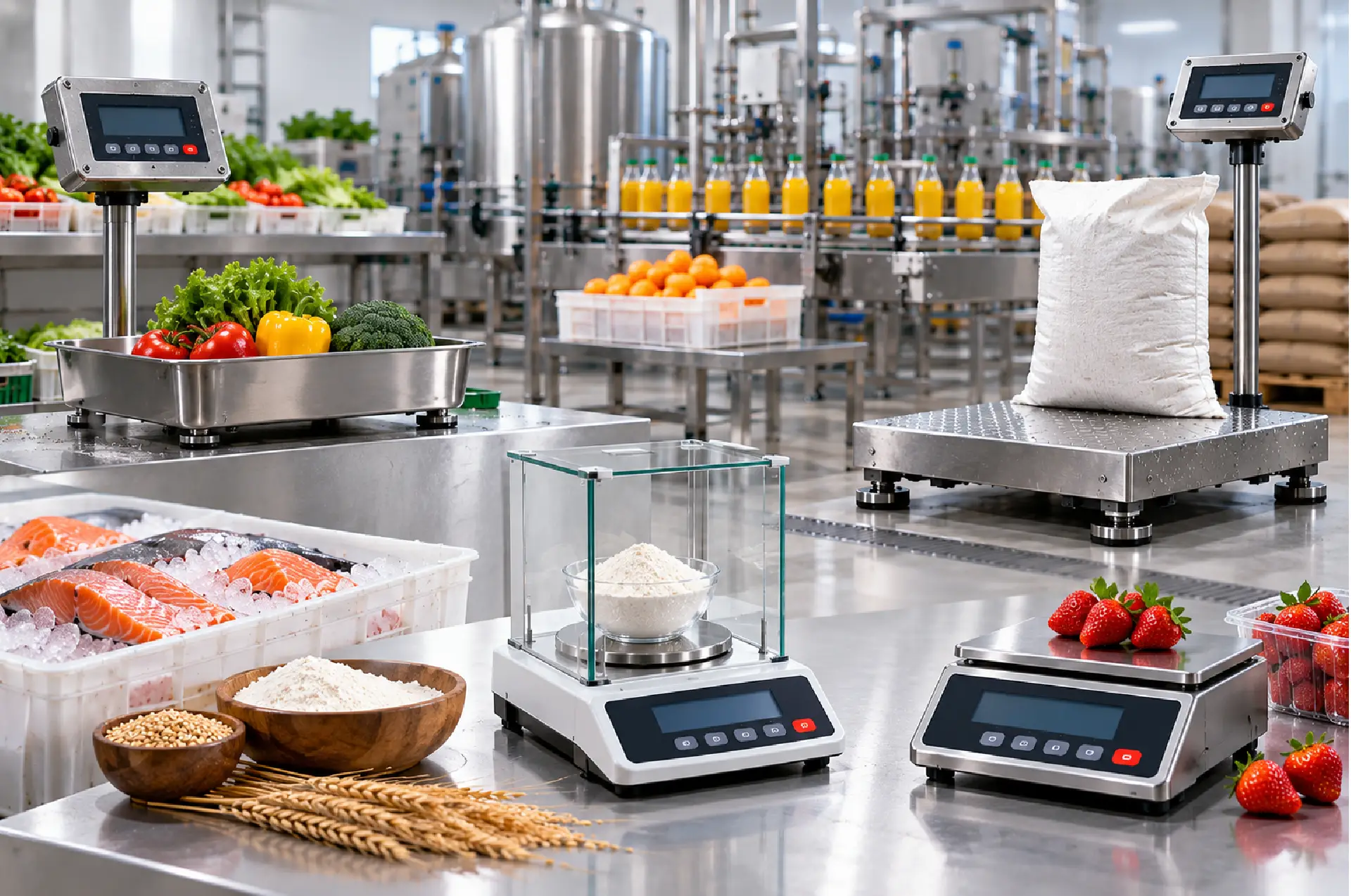
Food and beverage businesses weigh products at almost every stage of production.
A bakery measures ingredients before mixing. A meat processor checks portions before packaging. A beverage manufacturer controls recipe quantities. A warehouse weighs incoming raw materials and finished cartons. Quality teams may also use high-precision balances for testing small samples.
Because these jobs differ, one scale cannot handle every task well.
The best weighing scale for a food business depends on what you weigh, how much you weigh, how often you clean the area and how precise the measurement needs to be.
For food manufacturers, processors, commercial kitchens and packaging facilities in the UAE, choosing the correct scale can improve portion control, production consistency and inventory accuracy.
Why Food Businesses Need the Right Weighing Scale
Weight affects both product quality and operating cost.
If a business adds too much of an expensive ingredient to every batch, material costs increase. If a packaging line regularly puts extra product into each pack, that small giveaway can become a noticeable loss across thousands of units.
Underfilling creates a different problem. Customers expect to receive the quantity shown on the package.
Reliable weighing also helps teams maintain repeatable recipes.
A production employee should not have to guess whether a batch contains the correct amount of flour, sugar, seasoning, meat or liquid ingredients.
The right weighing equipment gives the team a consistent reference.
1. Bench Scales for Everyday Food Preparation
Bench scales work well when employees handle relatively small products or ingredient containers.
You will often find this type of scale in:
- Bakeries
- Commercial kitchens
- Small food factories
- Packing stations
- Ingredient preparation areas
They offer a compact footprint and allow operators to place bowls, trays or packages directly on the weighing surface.
When choosing one, look closely at capacity and readability.
A scale that handles 30 kg may work well for ingredient preparation, but it would make little sense for a process that only weighs a few grams at a time.
Match the scale to the actual batch size.
2. Platform Scales for Larger Ingredients and Containers
Food factories often deal with loads that exceed the practical size of a bench scale.
Large bags, drums, bins, cartons and ingredient containers may need a wider and stronger weighing surface.
A platform scale can suit these applications.
Platform scales also work well in receiving and dispatch areas where employees need to check bulk ingredients or finished products.
Before selecting one, consider:
- Maximum load
- Platform dimensions
- Floor space
- Cleaning requirements
- Required accuracy
- How employees move products onto the platform
3. Waterproof and Washdown Scales for Wet Areas
Food production often involves water.
Seafood processing, meat preparation, fresh produce and cleaning areas may expose weighing equipment to splashes or regular washdowns.
A normal dry-environment scale may not last long in these conditions.
Businesses should consider a waterproof or water-resistant scale with a suitable IP rating.
Stainless-steel construction can also help because employees can clean the surface easily and the material offers good corrosion resistance.
Do not rely on the word “waterproof” alone. Check the actual protection rating and manufacturer cleaning instructions.
4. Precision Scales for Recipe and Ingredient Control
Some food processes need much finer measurement than a warehouse platform scale can provide.
Small quantities of flavouring, additives, spices or test samples may need precise weighing.
A precision balance can help operators measure these smaller amounts consistently.
Al Falah Scales offers laboratory scales for applications that need finer readability.
Readability matters here.
A scale that displays weight in 1 g increments cannot provide the same measurement detail as one that reads to 0.01 g or 0.001 g.
Choose only the precision your recipe or quality process actually needs.
5. Laboratory Balances for Food Testing
Food and beverage businesses do more than weigh production ingredients.
Quality-control laboratories may test:
- Moisture
- Formulation samples
- Product consistency
- Ingredient quantities
- Research batches
These applications often need a laboratory balance rather than a general production scale.
If your team works with small samples, our guide on Laboratory Scales: A Complete Guide to Precision Weighing explains readability, repeatability, calibration and environmental factors in more detail.
A high-precision scale should sit on a stable surface away from strong airflow and vibration.
6. Moisture Analyzers for Quality Control
Moisture content can influence product texture, shelf stability, processing and quality.
Businesses that need to measure moisture may use a specialized moisture analyzer rather than a standard balance.
Al Falah Scales includes moisture analyzers within its laboratory weighing range.
Food manufacturers should choose this equipment according to the sample type, testing process and required measurement performance.
A moisture analyzer serves a different purpose from a normal weighing scale, even though both measure mass during part of the process.
7. Floor Scales for Production and Warehousing
Food businesses that handle heavy bins, bulk containers or larger packaged goods may need a floor scale.
This type of scale places the weighing platform close to floor level, which can make it easier to move heavy loads onto the surface.
Floor scales can support:
- Ingredient receiving
- Bulk production
- Warehouse stock checks
- Finished-goods weighing
- Large containers
Capacity should match the maximum load, while platform dimensions should suit the containers your employees use every day.
8. Check the Scale Material
Material choice matters in food environments.
Painted mild steel can work well in many dry industrial areas, but wet or hygienic environments often benefit from stainless steel.
Stainless steel resists corrosion and supports easier cleaning.
Do not check only the visible platform.
Look at the indicator enclosure, load cells, cables and connectors too.
A stainless-steel deck offers limited value if moisture can easily damage another critical part of the weighing system.
9. Choose the Right Readability
Food companies often make the mistake of focusing only on capacity.
Readability matters just as much.
Imagine two operations.
A warehouse weighs 50 kg ingredient bags.
A formulation room weighs 2 g of a flavouring ingredient.
Both need accurate equipment, but they need completely different measurement resolution.
Ask one simple question:
What is the smallest weight difference that matters to this process?
Use the answer to guide your scale selection.
10. Don’t Ignore Load Cells
Load cells perform the actual sensing inside many electronic weighing systems.
They detect the force applied by the product and convert it into an electrical signal.
Food environments can expose these sensors to moisture, cleaning chemicals and temperature changes.
Choose suitable protection for the working conditions.
Businesses can explore load cells from Al Falah Scales when planning or maintaining industrial weighing systems.
11. Make Cleaning Part of the Buying Decision
Do not wait until installation to think about cleaning.
Ask how employees will clean the scale every day.
Can they remove food residue easily?
Are there difficult gaps around the platform?
Can water reach sensitive electronics?
Does the manufacturer allow the cleaning method your team normally uses?
A scale that creates hygiene problems will frustrate production teams, even if it weighs accurately.
Choose equipment that fits both the weighing process and the sanitation routine.
12. Calibration Helps Protect Product Consistency
Repeated weighing only helps if the readings remain reliable.
Food businesses may perform hundreds of measurements each day. A small error repeated across many batches can affect material usage and product consistency.
Regular checks and calibration help teams identify measurement problems.
The right calibration schedule depends on usage, required accuracy and internal quality standards.
Businesses can review Al Falah Scales weighing services for support with industrial weighing equipment.
How to Choose the Best Food Industry Scale
Start with the product.
Determine the lightest and heaviest quantity you need to measure.
Then look at the environment.
Will the scale stay dry? Will employees wash it every day? Does the room have high humidity? Will food come into direct contact with the weighing surface?
Next, define the required readability.
After that, compare construction, platform size, display, load-cell protection and cleaning requirements.
That process usually leads to a much better choice than simply asking for “the best food scale.”
Frequently Asked Questions
What weighing scales are best for food businesses?
The right type depends on the task. Bench scales suit smaller ingredients, platform and floor scales handle larger loads, while precision balances suit small formulation or laboratory samples.
Do food scales need to be waterproof?
Not always. Businesses should choose waterproof or water-resistant equipment when moisture, splashes or washdowns form part of the operating environment.
Why is stainless steel useful for food weighing?
Stainless steel resists corrosion and provides a surface that employees can clean effectively.
Which scale should I use for ingredients?
Choose according to ingredient weight and required readability. Large batches may suit platform scales, while small quantities may require precision balances.
What scale works for meat and seafood processing?
A water-resistant or washdown-compatible scale with suitable corrosion-resistant construction can work well in these wet environments.
What is readability in a weighing scale?
Readability refers to the smallest weight increment the scale displays.
Do bakeries need precision scales?
They can. Precision scales help when recipes use small quantities of yeast, flavourings or other ingredients where minor weight differences matter.
Can food factories use platform scales?
Yes. Platform scales work well for larger containers, cartons, ingredients and finished products.
How often should food weighing scales be calibrated?
The schedule depends on usage, required accuracy, internal procedures and the importance of the measurement.
Where can food businesses find weighing scales in the UAE?
Businesses can explore Al Falah Scales for platform scales, laboratory balances, load cells, indicators and other industrial weighing solutions.
Final Thoughts
The best scale for a food and beverage business depends on where and how employees use it.
Bench scales work well for everyday preparation. Platform and floor scales handle larger ingredients and finished products. Waterproof models suit wet production areas. Precision balances support recipe control and laboratory work.
No single scale can perform every task equally well.
Choose equipment around the product weight, required readability, hygiene needs, cleaning method and working environment.
That approach gives production teams measurements they can trust without adding unnecessary complexity.
For food and beverage businesses in the UAE, Al Falah Scales provides industrial weighing equipment, platform scales, laboratory balances, load cells and related weighing support for different production and quality-control requirements.