Warehouses and logistics companies move products quickly, but speed means very little when shipment weights are inaccurate. A pallet that leaves a warehouse with an estimated weight instead of a verified one can cause freight adjustments, incorrect documentation, inventory discrepancies, or even unnecessary handling later in the supply chain.
That is why pallet weighing scales have become an important part of modern warehouse operations. Instead of weighing products separately and calculating the combined total, businesses can place a loaded pallet directly on the scale and obtain its weight in seconds.
For logistics companies handling hundreds of inbound and outbound pallets every day, this simple step can improve accuracy, productivity, stock control, and shipping efficiency.
What Are Pallet Weighing Scales?
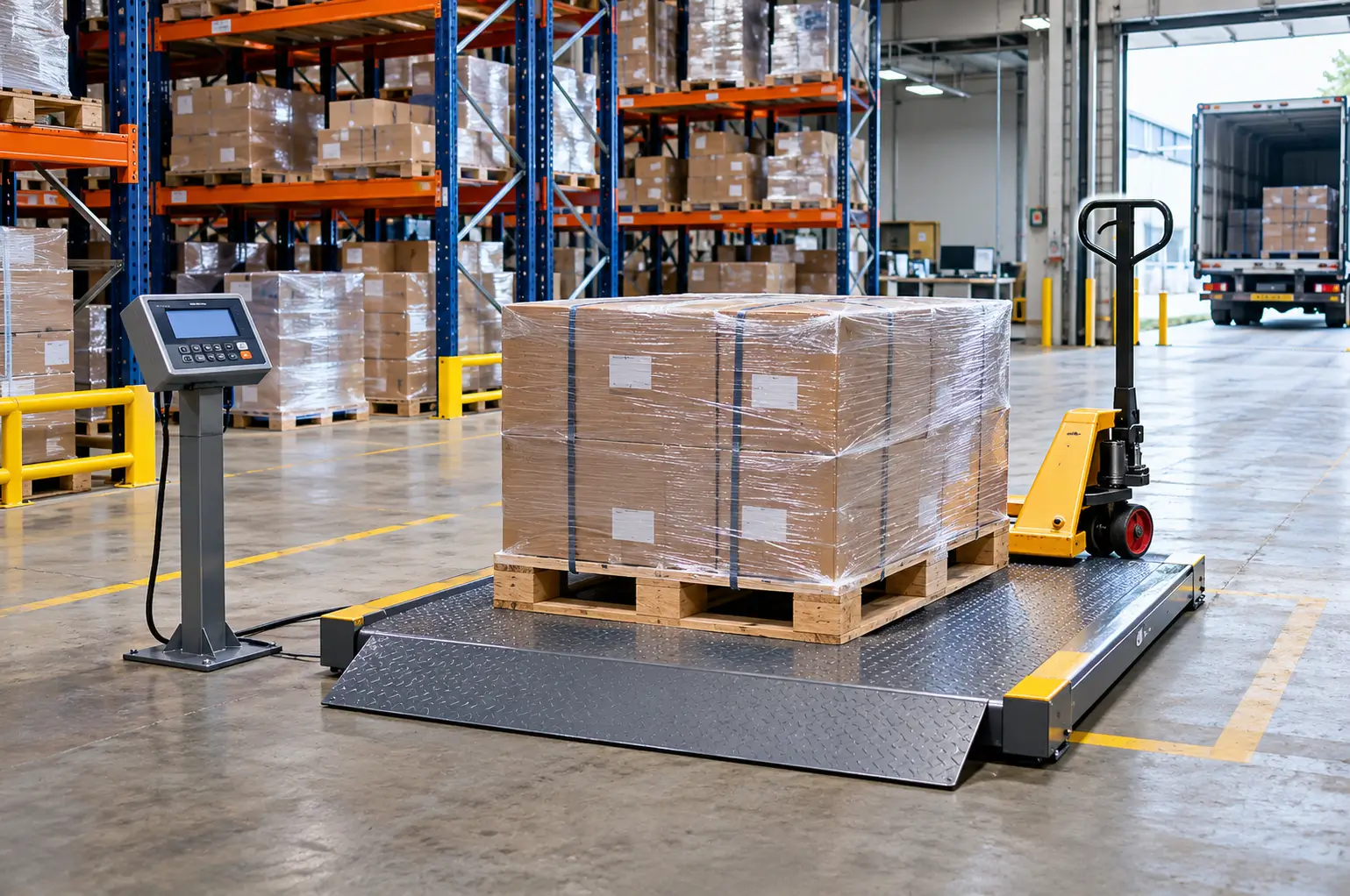
A pallet weighing scale is an industrial weighing system designed specifically for pallets, containers, crates, and other heavy or bulky loads.
These scales are generally built with a low-profile platform or U-shaped structure that allows pallets to be positioned conveniently using pallet trucks, forklifts, or other material-handling equipment.
Unlike small commercial scales, pallet scales are designed for considerably heavier loads and demanding warehouse environments.
They are commonly used in:
- Warehouses
- Distribution centres
- Freight forwarding facilities
- Manufacturing plants
- Shipping departments
- Third-party logistics companies
- Wholesale operations
- Import and export businesses
Why Accurate Pallet Weight Matters in Logistics
Weight affects almost every stage of logistics.
Freight companies use weight when calculating transportation costs, planning vehicle loads, preparing shipping documents, and allocating available cargo capacity.
If a warehouse records the wrong pallet weight, the consequences may appear later as freight corrections, billing disputes, overloaded vehicles, or inconsistencies between warehouse and carrier records.
Accurate weighing also helps companies maintain better control over inventory movements.
For example, a pallet containing finished products can be weighed before dispatch and compared with expected records. A significant difference may indicate missing products, incorrect quantities, or packaging problems before the shipment leaves the facility.
7 Benefits of Pallet Weighing Scales for Warehouses
1. Faster Weighing of Heavy Shipments
Without a pallet scale, warehouse employees may need to weigh individual cartons separately and calculate the combined weight.
That process becomes inefficient when a pallet contains dozens of boxes.
With a pallet weighing scale, the entire shipment can be measured in one operation.
This allows warehouse teams to process inbound and outbound goods more quickly while reducing repetitive handling.
In high-volume logistics environments, saving even a few minutes per pallet can produce a noticeable improvement in daily throughput.
2. More Accurate Shipping Documentation
Bills of lading, shipping labels, transport documents, and freight records often require reliable weight information.
Estimating pallet weight from product specifications may appear convenient, but packaging materials, pallet weight, and quantity differences can create discrepancies.
A pallet scale provides an actual measured value before dispatch.
That information can then be used to prepare more accurate shipping documentation and reduce problems when carriers verify the shipment later.
3. Better Freight Cost Control
Transportation charges can depend partly on shipment weight.
Incorrect measurements may lead to unexpected freight adjustments or incorrect quotations.
By weighing pallets before they leave the warehouse, logistics teams can work with confirmed weight information rather than estimates.
This makes freight planning more predictable and helps businesses compare shipping costs using better data.
Companies that regularly handle heavy commercial loads can also explore how an industrial weighing scale can improve operational efficiency across broader warehouse and material-handling processes.
4. Improved Inventory Verification
Pallet weighing is not only useful for shipping.
It can also provide another layer of inventory control.
Suppose a pallet is expected to contain 50 identical cartons. If the recorded pallet weight differs significantly from previous shipments of the same product, warehouse staff can investigate before the goods are stored or dispatched.
Weight verification can help identify:
- Missing cartons
- Incorrect product quantities
- Packaging differences
- Picking mistakes
- Receiving discrepancies
It does not replace warehouse management software, but it provides useful physical verification of inventory movements.
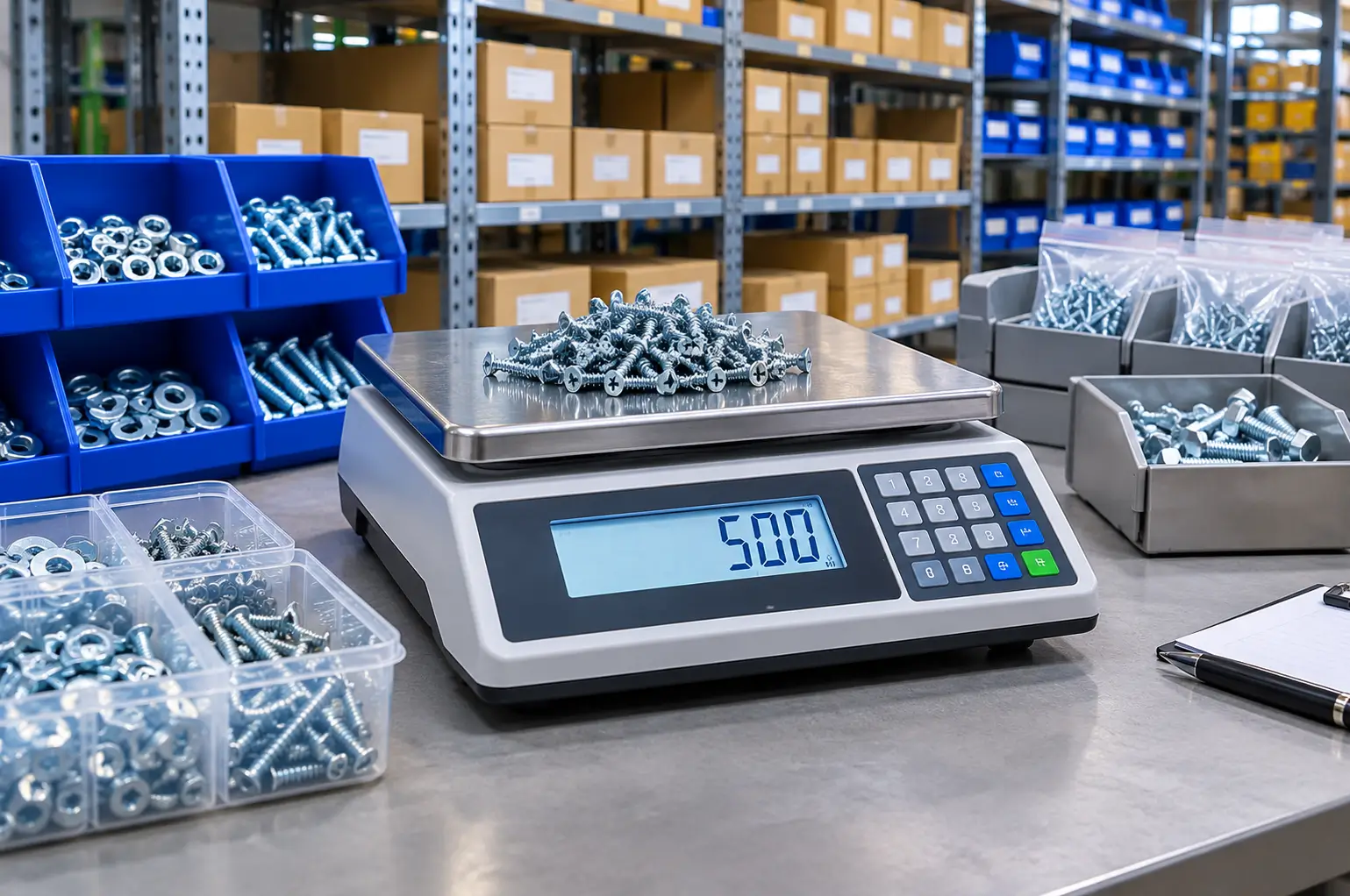
For businesses dealing with large numbers of smaller identical items as well, counting scales can improve inventory accuracy by calculating quantities from weight.
5. Reduced Manual Handling
Every unnecessary movement inside a warehouse consumes time.
If workers have to unpack pallets, weigh cartons individually, and reload them, the weighing process creates additional labour.
Pallet scales reduce this handling because products can remain together while their combined weight is recorded.
Less handling can also reduce the likelihood of packaging damage, misplaced cartons, and avoidable disruption to organised shipments.
When scale placement is planned correctly, weighing can become part of the normal receiving or dispatch workflow rather than a separate task.
6. Better Load Planning
Vehicle capacity must be managed carefully.
Logistics companies transporting multiple pallets need reliable weight information to plan how much cargo can be loaded without exceeding operational or legal limits.
Accurate pallet weights make it easier to calculate total shipment weight before loading.
They can also help warehouse teams distribute loads more effectively and avoid discovering weight problems after a truck or container has already been prepared.
For businesses selecting industrial weighing equipment, the measuring components inside the system are equally important. Understanding what a load cell is and how it works explains how modern scales convert applied force into measurable weight data.
7. Greater Warehouse Productivity
Warehouse productivity depends on reducing unnecessary steps.
A pallet scale positioned near receiving or dispatch areas allows employees to weigh goods as part of their existing workflow.
Instead of moving shipments to another area or calculating weight manually, staff can capture the information immediately.
This becomes especially valuable for third-party logistics providers that process products for multiple customers and need consistent weighing procedures across different shipment types.
Where Should Pallet Scales Be Used?
The best location depends on the warehouse workflow.
Many companies install pallet weighing scales near:
Goods receiving: to verify supplier deliveries before products enter inventory.
Dispatch areas: to confirm shipment weight before carrier collection.
Packing stations: to verify completed pallets before wrapping and labelling.
Production areas: to weigh finished goods before transfer to warehouse storage.
The goal is to place weighing equipment where it adds verification without creating additional movement.
How to Choose the Right Pallet Weighing Scale
Selecting the right equipment requires more than choosing the highest available capacity.
Consider the heaviest pallet your business normally handles and select an appropriate working range.
Platform dimensions should also match the pallets and containers used in your facility.
Other important factors include:
Capacity: The scale must safely accommodate normal and peak pallet weights.
Readability: Select a resolution appropriate for the accuracy your operation requires.
Construction: Warehouse equipment should be durable enough for frequent industrial use.
Platform design: Low-profile or U-shaped designs may simplify pallet loading.
Display position: Operators should be able to read measurements conveniently.
Connectivity: Some weighing systems can transfer data to printers, computers, or warehouse systems.
The load cell configuration also influences system performance. Businesses comparing different setups can read more about how to choose the right load cell for a weighing system.
Maintaining Reliable Pallet Weight Measurements
Even strong industrial scales require proper care.
Keep the weighing platform free from debris and inspect it regularly for physical damage.
Loads should be positioned correctly and should not exceed the rated capacity.
Periodic calibration and performance verification are also important where accurate measurements affect freight charges, inventory, production, or commercial transactions.
Warehouses exposed to moisture, frequent washing, or demanding industrial conditions may also want to understand the benefits of waterproof weighing scales when selecting equipment for challenging environments.
Final Thoughts
For warehouses and logistics companies, pallet weight is operational data that affects much more than a number on a display.
Accurate weighing supports shipping documentation, freight planning, inventory verification, vehicle loading, receiving, and dispatch.
By allowing employees to weigh complete pallet loads quickly, pallet weighing scales reduce unnecessary handling and help logistics teams work with more dependable information.
Businesses in the UAE can explore Al Falah Scales for weighing equipment suitable for warehouse, logistics, manufacturing, and industrial applications.
Frequently Asked Questions
What is a pallet weighing scale?
A pallet weighing scale is an industrial scale designed to measure complete pallets, crates, containers, and other heavy warehouse loads.
Why are pallet scales useful in warehouses?
They allow warehouses to weigh complete loads quickly, helping improve shipping records, receiving checks, inventory verification, and dispatch efficiency.
Can pallet scales reduce freight errors?
Yes. Measuring actual pallet weight before dispatch can reduce differences between estimated shipping weights and carrier measurements.
Are pallet scales suitable for logistics companies?
Yes. Freight forwarders, warehouses, distribution centres, and third-party logistics providers commonly use them for inbound and outbound shipments.
How much weight can a pallet scale handle?
Capacity varies by model. Businesses should select equipment based on their normal maximum pallet weight and required working range.
Can a pallet scale help with inventory control?
Yes. Weight can provide an additional verification point for identifying missing goods or unexpected differences in incoming and outgoing pallets.
What is the difference between a pallet scale and a platform scale?
Both handle heavy goods, but pallet scales are typically designed specifically for convenient pallet handling, while platform scales are used for a broader range of bulky items.
Do pallet weighing scales require calibration?
Yes. Periodic calibration or verification helps ensure measurements remain dependable, especially when weight affects commercial or operational decisions.
Where should a pallet scale be installed?
Common locations include receiving bays, packing stations, production areas, and dispatch zones where pallets already move during normal operations.
Where can businesses find pallet weighing scales in the UAE?
Businesses can contact Al Falah Scales to explore suitable industrial and warehouse weighing solutions.