In manufacturing, knowing how much material moves through a production line is often just as important as knowing how fast it moves. Raw materials may travel continuously through conveyors before entering crushers, mixers, packaging lines, storage bins, or other processing equipment. If those quantities are estimated rather than measured, even small inaccuracies can affect production planning, inventory records, and final output.
Conveyor belt weighing systems solve this problem by measuring material while it is moving. Instead of stopping production to weigh each batch separately, manufacturers can monitor weight directly on the conveyor.
For high-volume facilities, this creates a more efficient way to track material flow, control production, and identify inconsistencies before they become costly problems.
What Is a Conveyor Belt Weighing System?
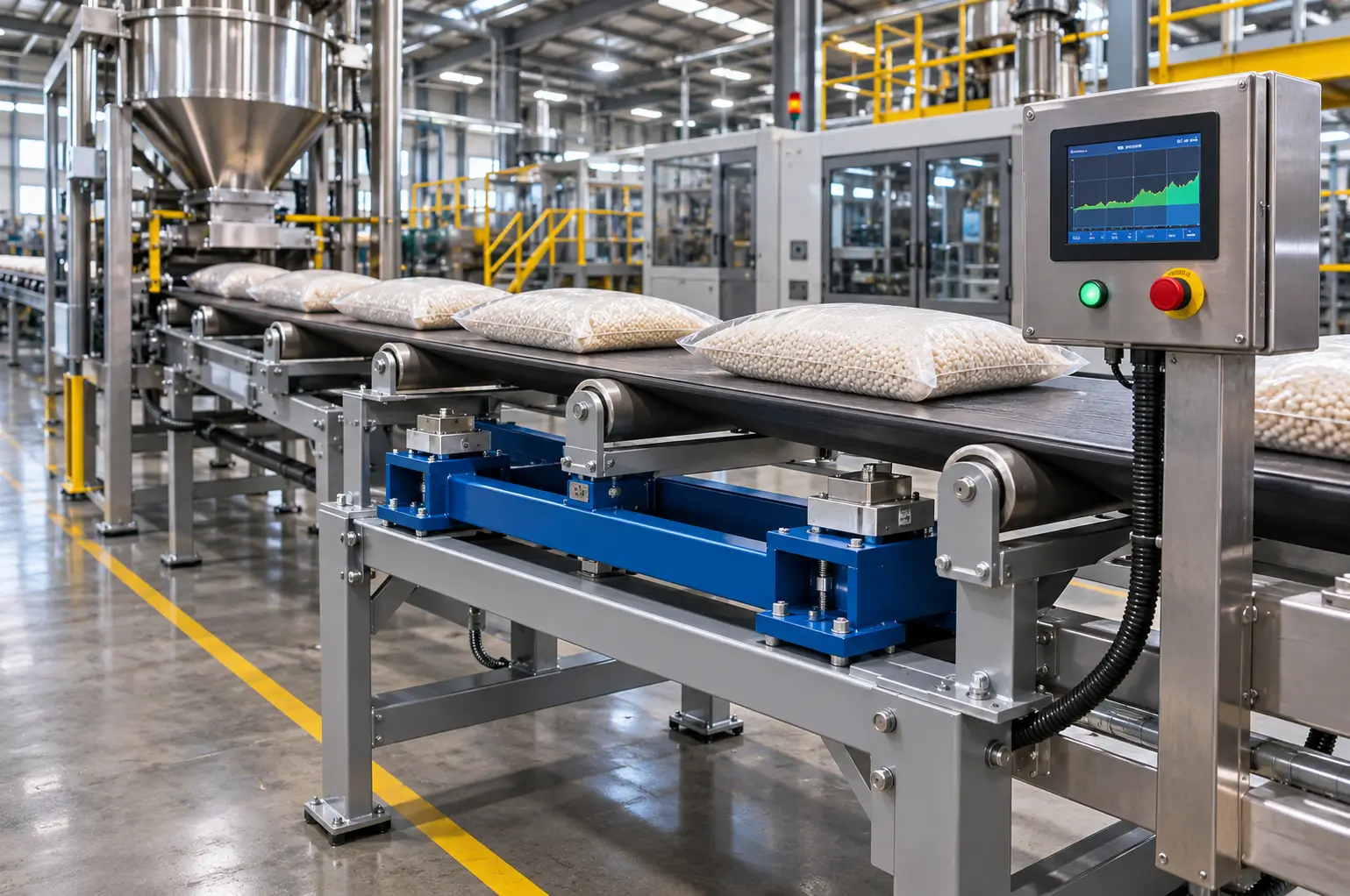
A conveyor belt weighing system, often called a belt scale or conveyor scale, measures bulk material as it travels along a conveyor.
The system normally combines load cells with a speed sensor and weighing electronics.
The load cells measure the force created by material passing over a specific section of the conveyor, while the speed sensor measures how quickly the belt is moving.
The system uses both measurements to calculate important information such as:
- Instantaneous flow rate
- Total material weight
- Production throughput
- Material consumption
- Batch totals
Because load cells are central to the measurement process, manufacturers interested in the technology can also read about what a load cell is and how it works.
Why Conveyor Weighing Matters in Manufacturing
Manufacturing operations often involve continuous material movement.
A factory may process tonnes of raw material during a single shift. If operators only measure the quantity at the beginning or end of production, it can be difficult to understand exactly what happened between those points.
Conveyor weighing provides continuous visibility.
Managers can see how much material is entering a process, how much has passed through a particular stage, and whether actual production matches expected output.
This information supports more accurate decision-making across production, inventory, maintenance, and quality control.
1. Continuous Material Measurement
One of the biggest advantages of conveyor belt weighing systems is that measurement happens while production continues.
Traditional weighing may require materials to be collected, transported to a scale, weighed, and then returned to the process.
That adds extra handling and can interrupt workflow.
With a conveyor scale, the material remains on the belt.
This makes continuous weighing especially useful for industries handling bulk products such as:
- Aggregates
- Cement
- Minerals
- Food ingredients
- Fertiliser
- Chemicals
- Grain
- Recycled materials
- Manufacturing raw materials
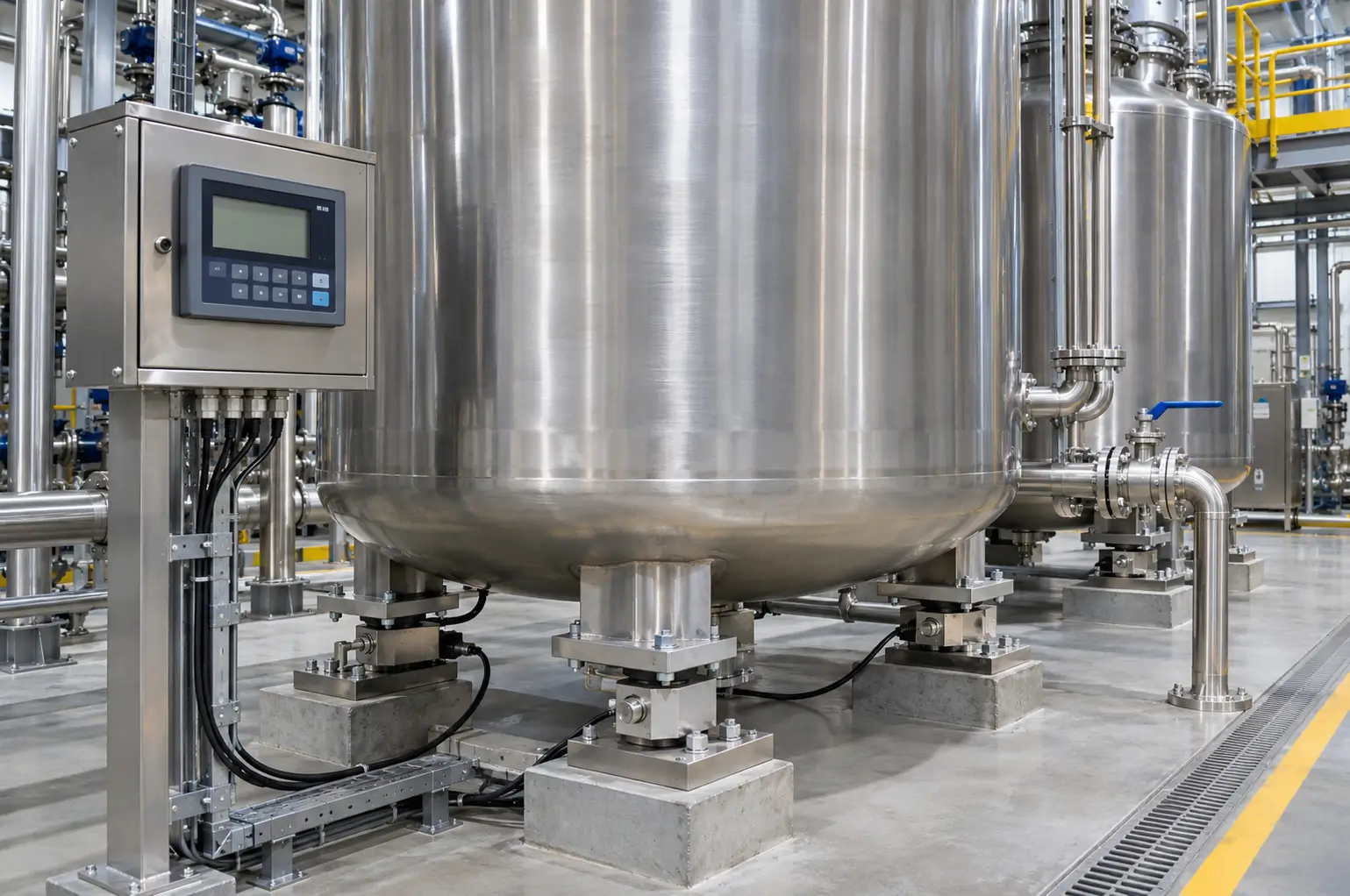
For operations involving material stored in vessels rather than moving conveyors, tank weighing systems can improve industrial measurement accuracy using a different load-cell-based approach.
2. More Accurate Production Monitoring
Manufacturers need to understand whether production lines are operating according to plan.
If a line is expected to process 20 tonnes per hour but actual material flow falls significantly below that level, the difference may indicate a feed problem, blockage, equipment issue, or process inefficiency.
Conveyor belt weighing systems provide measurable production data rather than relying on assumptions.
Operators can compare:
- Planned production against actual throughput
- Shift performance
- Daily output
- Material consumption
- Equipment performance
This makes it easier to identify variations early and investigate their cause.
3. Better Inventory Control
Bulk materials can be difficult to count or measure manually.
Unlike boxes or packaged products, raw materials such as sand, powders, grain, or minerals often move continuously between storage and production.
A conveyor weighing system can record how much material enters or leaves a process.
This gives inventory teams more reliable information when calculating usage.
For example, if 50 tonnes of material leave a storage area and enter production, the weighing system can record that transfer automatically.
Accurate material movement data reduces differences between physical stock and inventory records.
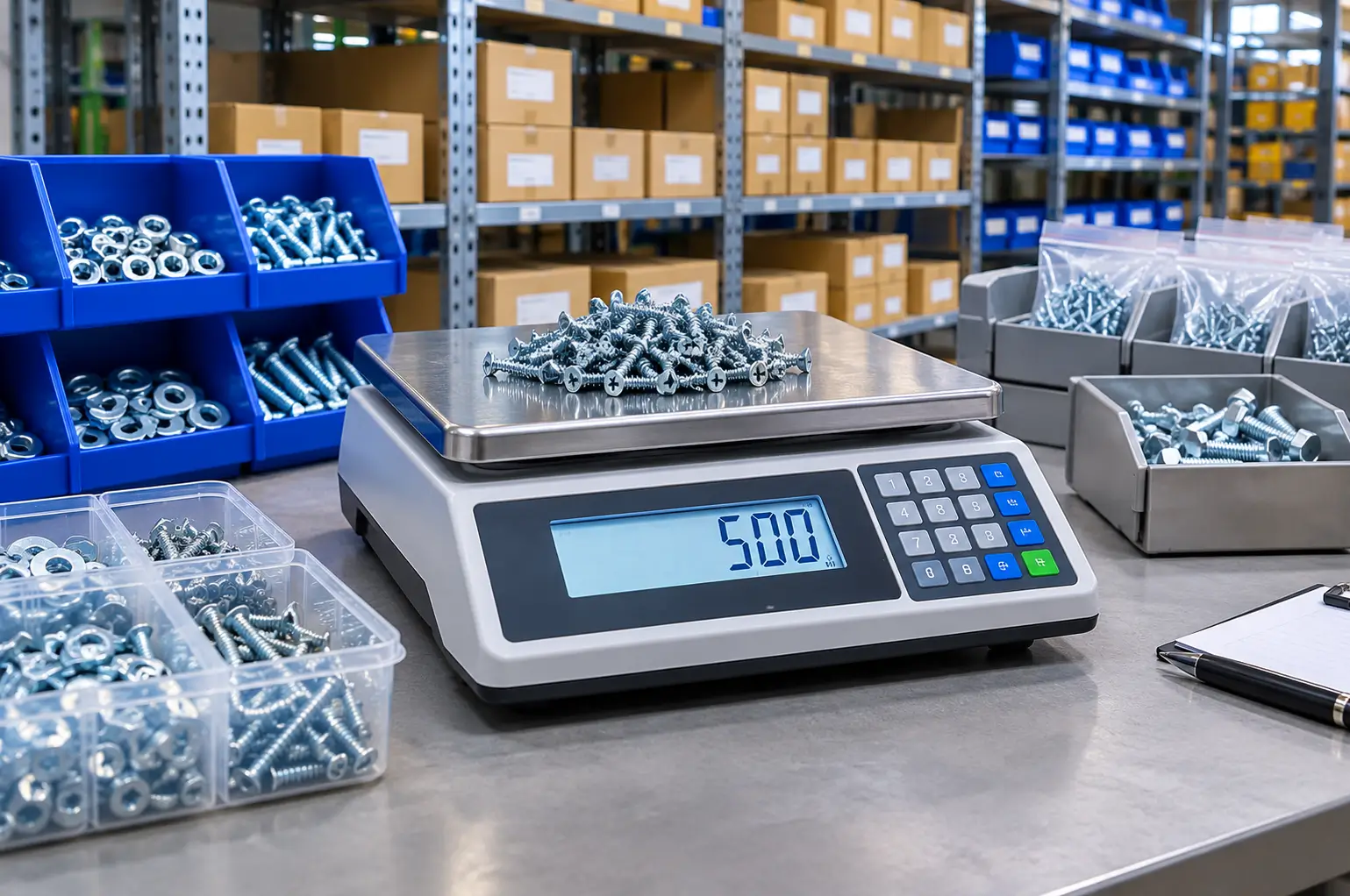
Businesses managing smaller identical components can also use counting scales to improve inventory accuracy where piece quantities rather than bulk flow need to be verified.
4. Improved Process Control
Modern production lines depend heavily on consistency.
If too much or too little material enters a process, the final product may not meet expected specifications.
A belt weighing system can monitor feed rates continuously.
Operators can use this data to adjust feeders, conveyor speeds, or other equipment.
In automated facilities, weighing data may also be integrated with control systems so adjustments happen with minimal manual intervention.
For example, if the conveyor begins carrying more material than the target rate, the feed system can be reduced automatically.
This improves process stability and helps manufacturers maintain more consistent production.
5. Reduced Material Waste
Material loss is one of the easiest ways for manufacturing costs to increase without being immediately obvious.
A process may consume slightly more raw material than expected every day. Over several months, that small difference can become significant.
Conveyor belt weighing makes material usage easier to monitor.
By comparing input weight with finished output, manufacturers can identify unusual losses or inefficiencies.
Possible causes may include:
- Spillage
- Incorrect feeder settings
- Production waste
- Material buildup
- Processing losses
- Equipment problems
Better measurement does not eliminate waste automatically, but it gives managers the information required to identify where improvements may be needed.
6. Faster Workflow With Less Handling
Every time material must be transferred solely for weighing, the production process becomes more complicated.
Employees may need additional containers, forklifts, weighing platforms, or manual recording.
Continuous conveyor weighing reduces these steps because measurement happens within the existing material flow.
This is especially valuable in large manufacturing plants where tonnes of product move every hour.
Reducing unnecessary handling can lower labour requirements and help keep production lines moving efficiently.
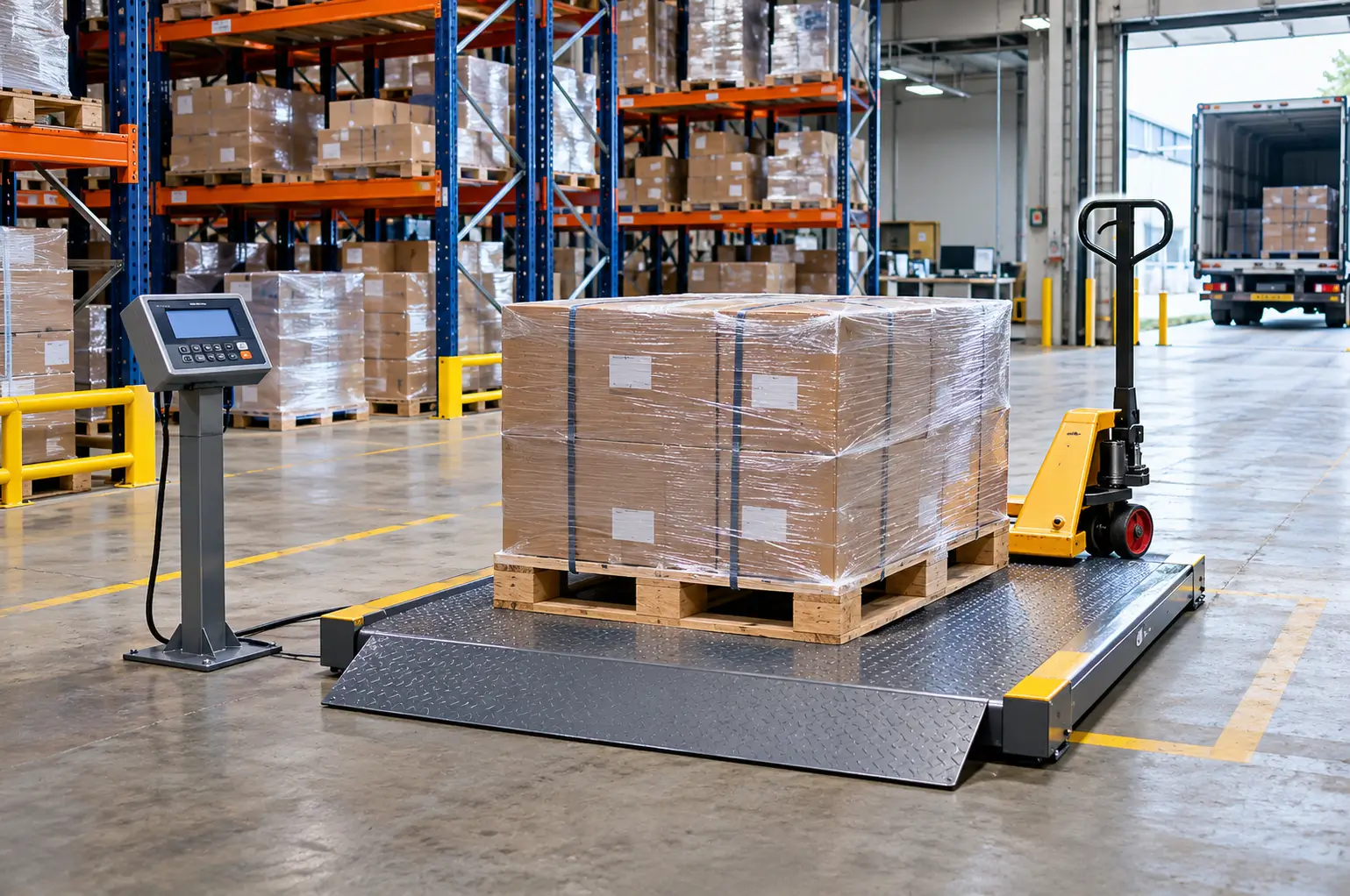
Warehouses dealing with finished palletised goods can achieve similar workflow improvements using pallet weighing scales for warehouse and logistics operations.
7. Better Batch and Recipe Control
Many manufacturing processes depend on adding exact quantities of different materials.
A conveyor scale can help control how much of a particular ingredient enters the next production stage.
For instance, a facility manufacturing building materials may need specific quantities of multiple raw ingredients.
Continuous weighing makes it easier to track each component and maintain the intended production ratio.
This supports consistent product quality and reduces the risk of batches being produced outside specification.
8. Useful Data for Performance Analysis
Manufacturing improvement depends on data.
Without accurate measurements, it can be difficult to determine whether operational changes actually improve efficiency.
Conveyor belt weighing systems generate useful production information that can be analysed over time.
Managers can review:
- Tonnes processed per hour
- Material used per shift
- Daily production totals
- Differences between production lines
- Periods of reduced output
This data can support maintenance planning, process improvement, staff scheduling, and purchasing decisions.
Where Are Conveyor Belt Scales Commonly Used?
Conveyor weighing systems are suited to industries where bulk material moves continuously.
Mining and Quarrying
Aggregates, ore, and minerals can be measured before crushing, processing, or stockpiling.
Cement and Construction Materials
Manufacturers can monitor limestone, sand, clinker, and other bulk ingredients during production.
Food Manufacturing
Grains, flour, sugar, and other bulk ingredients can be tracked as they move through processing lines.
Recycling
Recycling facilities can measure recovered materials to monitor throughput and production performance.
Chemical Manufacturing
Bulk powders and other raw materials can be monitored before mixing or further processing.
What Affects Conveyor Weighing Accuracy?
Conveyor belt scales require proper installation and maintenance to produce dependable measurements.
Several factors can influence accuracy.
Load Cell Selection
The load cells must match the expected loading conditions and required measurement sensitivity.
Choosing the wrong capacity may reduce performance. Manufacturers can review how to choose the right load cell for a weighing system for additional guidance.
Belt Tension
Changes in belt tension can influence weighing performance if the system is not correctly installed.
Conveyor Alignment
The weighing section should be properly aligned with the surrounding conveyor structure.
Material Distribution
Uneven or inconsistent material flow may affect measurement stability.
Belt Speed Measurement
The speed sensor must provide accurate data because total weight is calculated using both belt loading and movement.
Calibration
Regular calibration is essential for identifying drift and maintaining measurement reliability.
Choosing the Right Conveyor Belt Weighing System
Before selecting a system, manufacturers should consider expected throughput, conveyor width, belt speed, material type, required accuracy, working environment, and system integration requirements.
The best solution is not necessarily the system with the highest capacity.
It should match the actual production process.
Businesses should also consider dust, moisture, vibration, temperature, and cleaning requirements.
In environments where weighing equipment may be exposed to water or regular washdown, understanding the benefits of waterproof weighing scales can help when evaluating suitable equipment.
Maintenance Is Essential for Reliable Results
Conveyor scales operate in demanding environments, so regular inspection is important.
Maintenance teams should check load cells, belt condition, alignment, electrical connections, speed sensors, and the weighing structure.
Material buildup around the weighing section should also be removed because it may affect measurements.
Scheduled calibration and zero checks help ensure the system continues to provide dependable data.
Any major mechanical changes to the conveyor should be followed by verification of the weighing system.
Final Thoughts
Conveyor belt weighing systems give manufacturers a practical way to measure material without stopping production.
They provide continuous insight into throughput, inventory movement, material consumption, and process performance.
When correctly installed and maintained, these systems can improve production control, reduce unnecessary handling, identify material losses, and support more accurate operational decisions.
For manufacturers in the UAE looking for dependable industrial weighing equipment, Al Falah Scales provides weighing solutions for a range of production, warehouse, and industrial applications.
Frequently Asked Questions
What is a conveyor belt weighing system?
It is an industrial weighing system that measures material while it moves along a conveyor belt.
How does a conveyor belt scale work?
Load cells measure material weight while a speed sensor records belt movement. The system combines both values to calculate flow rate and total weight.
What industries use conveyor weighing systems?
Mining, cement, food production, recycling, chemical manufacturing, agriculture, and other bulk-material industries commonly use them.
Can conveyor scales measure material continuously?
Yes. Their main advantage is that material can be measured continuously without stopping normal conveyor operation.
Can belt weighing improve inventory accuracy?
Yes. Measuring bulk material as it enters or leaves production provides more reliable stock-movement information.
What affects conveyor belt scale accuracy?
Belt tension, alignment, load-cell selection, material flow, speed measurement, installation quality, and calibration can all affect accuracy.
Do conveyor weighing systems need calibration?
Yes. Regular calibration and verification help maintain dependable measurements over time.
8. Can conveyor weighing systems connect to automated controls?
Many industrial systems can provide weighing information to compatible PLCs, computers, controllers, or production-management systems.
Can conveyor scales help reduce material waste?
Yes. Better measurement allows manufacturers to compare material input and output and identify unusual losses or process inefficiencies.
Where can manufacturers find industrial weighing systems in the UAE?
Businesses can explore industrial weighing equipment and related solutions through Al Falah Scales.