Accurate weighing plays a critical role in manufacturing, logistics, warehouses, food processing, and other industrial operations. Choosing the right platform scale for industrial use helps businesses improve productivity, maintain quality standards, reduce operational errors, and ensure accurate inventory management.
With many options available in the market, selecting the best industrial platform scale requires understanding factors such as capacity, accuracy, durability, application requirements, and environmental conditions. Al Falah Scales provides reliable industrial weighing solutions designed for different business needs across the UAE.
In this guide, we will explain the important factors to consider before purchasing an industrial platform scale.
What Is an Industrial Platform Scale?
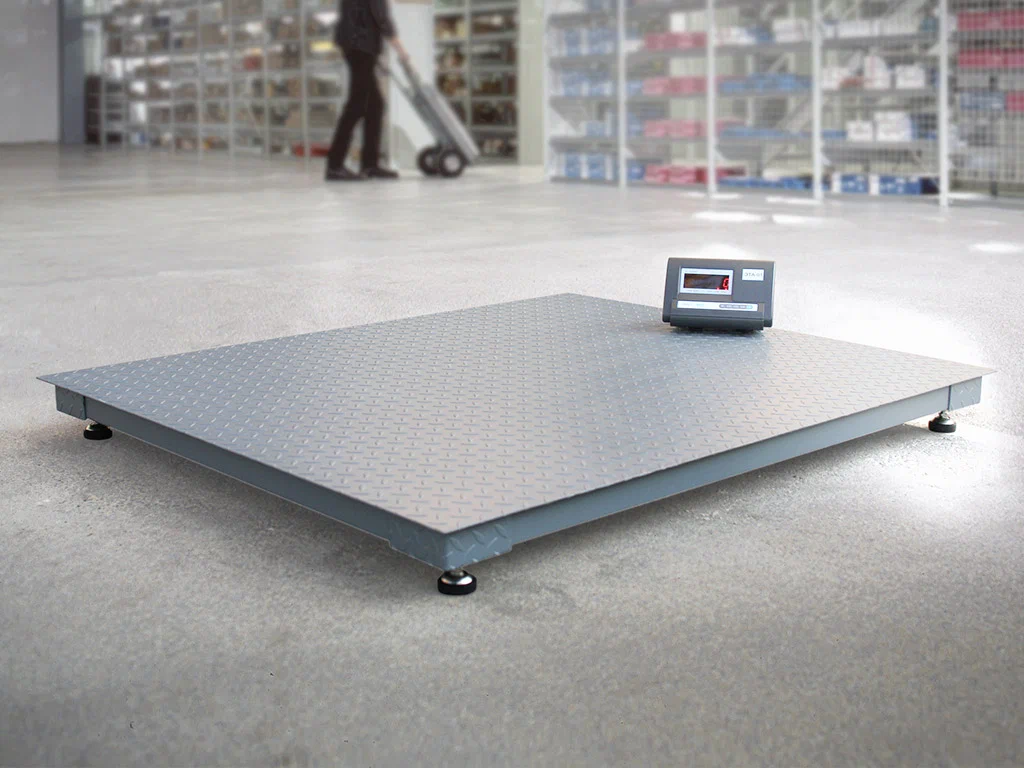
An industrial platform scale is a heavy-duty weighing system designed to measure the weight of large and heavy objects such as pallets, drums, containers, raw materials, and packaged goods.
Unlike standard weighing machines, industrial platform scales are built with strong platforms, durable load cells, and advanced digital indicators to handle demanding environments. They are widely used in factories, warehouses, shipping facilities, and production units where accurate weight measurement is essential.
Factors to Consider When Choosing a Platform Scale
1. Determine the Required Weight Capacity
The first step in selecting the right platform scale is identifying the maximum weight you need to measure.
Industrial platform scales are available in different capacities, including:
- 100 kg to 500 kg for lightweight industrial applications
- 1 ton to 3 tons for warehouses and manufacturing
- Higher capacities for heavy-duty industrial operations
Choosing a scale with the correct capacity prevents overloading, improves accuracy, and increases the lifespan of the equipment.
For example, if your business handles heavy pallets or bulk materials, selecting a heavy-duty industrial weighing scale is a better option than using a low-capacity model.
2. Choose the Correct Platform Size
The platform size should match the dimensions of the items being weighed.
A small platform may create balance issues when weighing large products, while an unnecessarily large platform can increase costs.
Consider:
- Product dimensions
- Pallet sizes
- Storage requirements
- Loading method (manual or forklift)
Businesses dealing with large containers, industrial materials, or logistics operations should choose a larger weighing platform for safer and more efficient measurements.
3. Check Accuracy and Precision Requirements
Accuracy is one of the most important factors in industrial weighing.
A high-quality platform scale should provide:
- Stable weight readings
- Accurate measurements
- Reliable load cell performance
- Minimal measurement errors
Industries such as pharmaceuticals, food manufacturing, chemicals, and packaging require highly accurate weighing systems to maintain product quality and comply with regulations.
4. Consider the Working Environment
The operating environment directly affects the performance and durability of your scale.
Before purchasing, evaluate:
Indoor Applications
For warehouses and production areas, standard industrial platform scales are usually sufficient.
Outdoor Applications
Outdoor environments require scales with:
- Weather-resistant construction
- Protection against dust and moisture
- Strong corrosion resistance
Wet or Harsh Areas
Food processing and chemical industries may require stainless steel or waterproof weighing solutions.
Selecting the correct scale material ensures longer service life and reduces maintenance costs.
5. Select the Right Load Cell Technology
Load cells are the main components responsible for measuring weight.
High-quality industrial scales use durable load cells that provide:
- Better accuracy
- Long-term reliability
- Resistance against heavy loads
- Consistent performance
A poor-quality load cell can lead to inaccurate readings and frequent repairs, affecting daily operations.
6. Digital Display and Connectivity Features
Modern industrial platform scales come with advanced digital indicators that make weighing faster and easier.
Useful features include:
- Large LCD displays
- Data recording
- Computer connectivity
- Printer integration
- Inventory management integration
For businesses managing large quantities of products, connected weighing solutions can improve workflow efficiency.
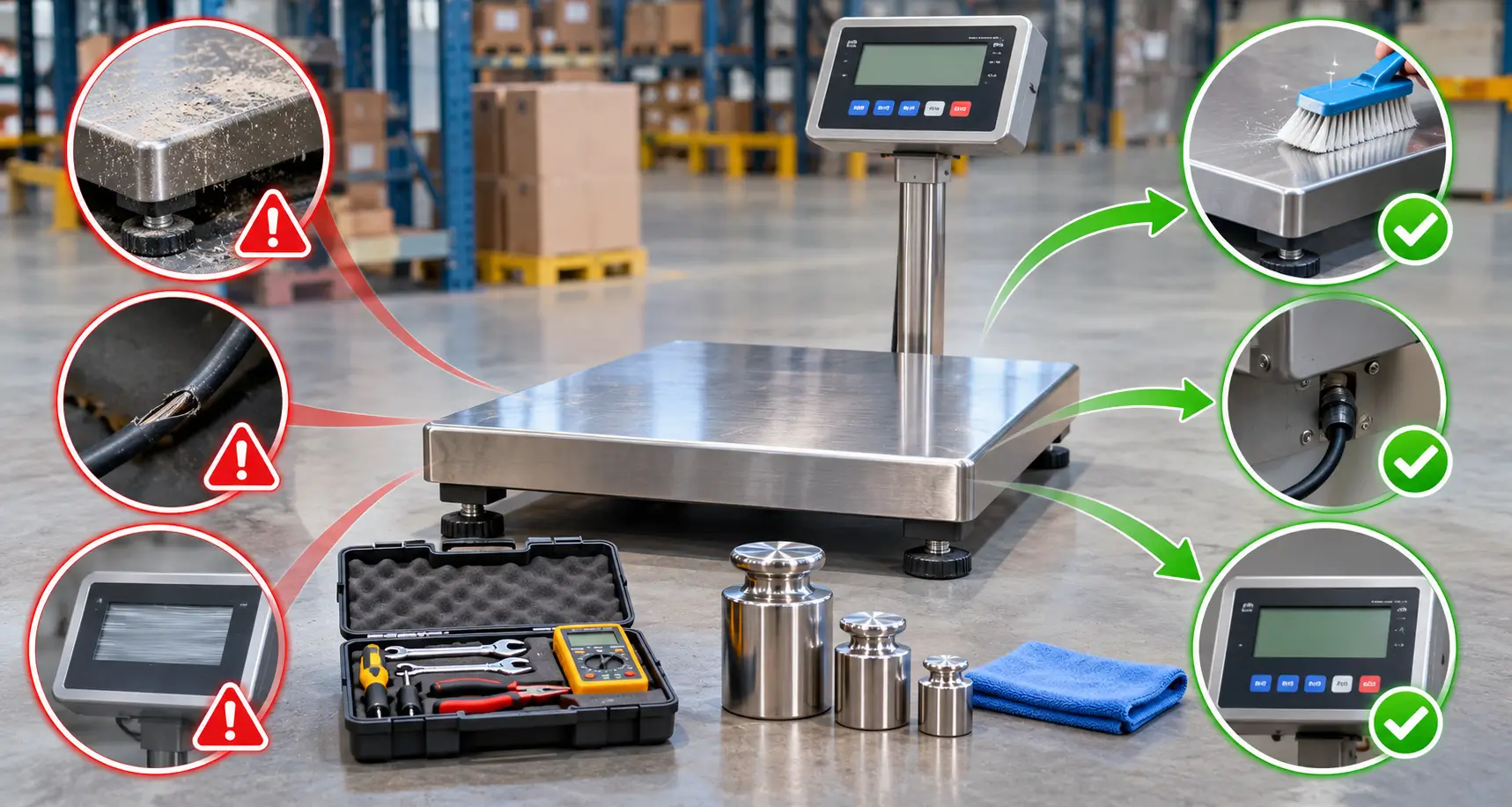
7. Consider Maintenance and Calibration Support
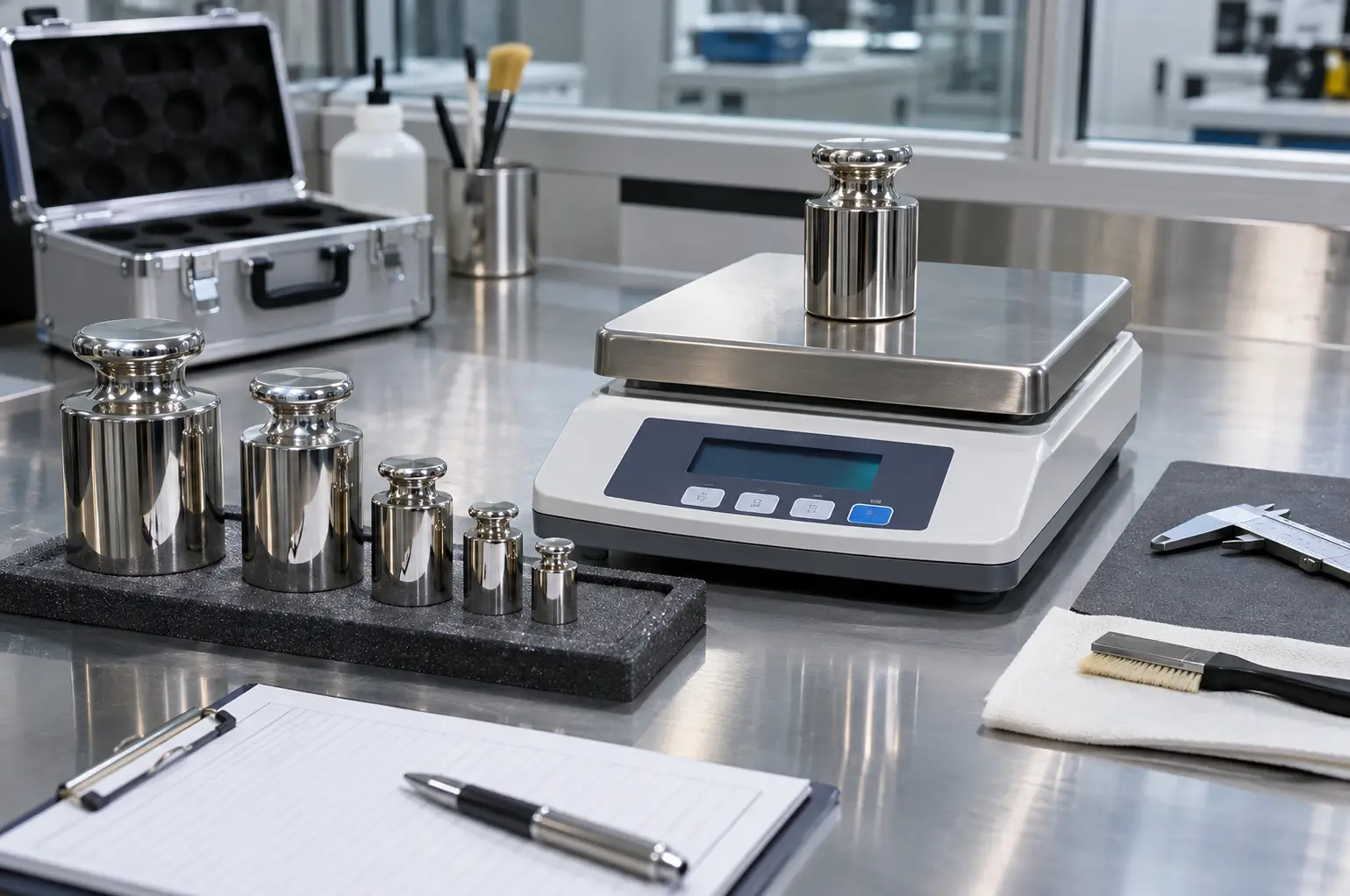
Regular calibration and maintenance are essential to keep weighing equipment accurate.
Before purchasing a platform scale, choose a supplier that provides:
- Installation support
- Calibration services
- Repair assistance
- Spare parts availability
Professional support helps prevent downtime and keeps your weighing system performing accurately.
Common Applications of Industrial Platform Scales
Industrial platform scales are commonly used in:
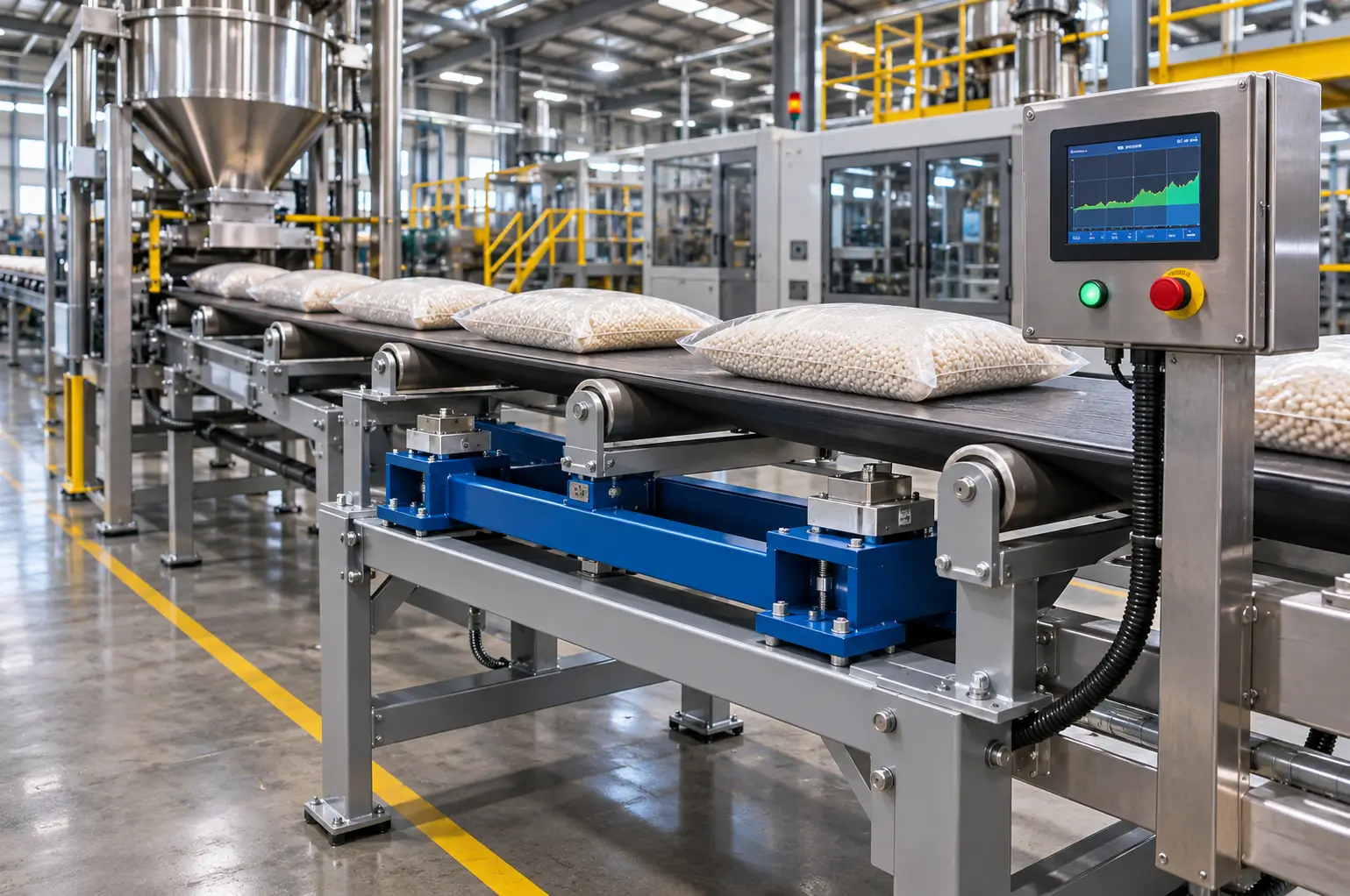
Manufacturing Industries
Used for measuring raw materials, finished products, and production inputs.
Warehouses and Logistics
Helps with pallet weighing, shipping verification, and inventory control.
Food Processing
Used for accurate ingredient measurement and quality control.
Agriculture
Suitable for weighing grains, livestock feed, and agricultural products.
Chemical and Pharmaceutical Industries
Provides precise measurements required for production processes.
Why Choose Al Falah Scales for Industrial Weighing Solutions?
Al Falah Scales is a trusted provider of industrial weighing solutions in the UAE, offering a wide range of weighing equipment including platform scales, floor scales, load cells, and calibration services.
The company focuses on delivering accurate, durable, and customized weighing solutions for different industries.
Benefits include:
- High-quality industrial weighing equipment
- Expert installation and support
- Calibration and repair services
- Solutions customized according to business requirements
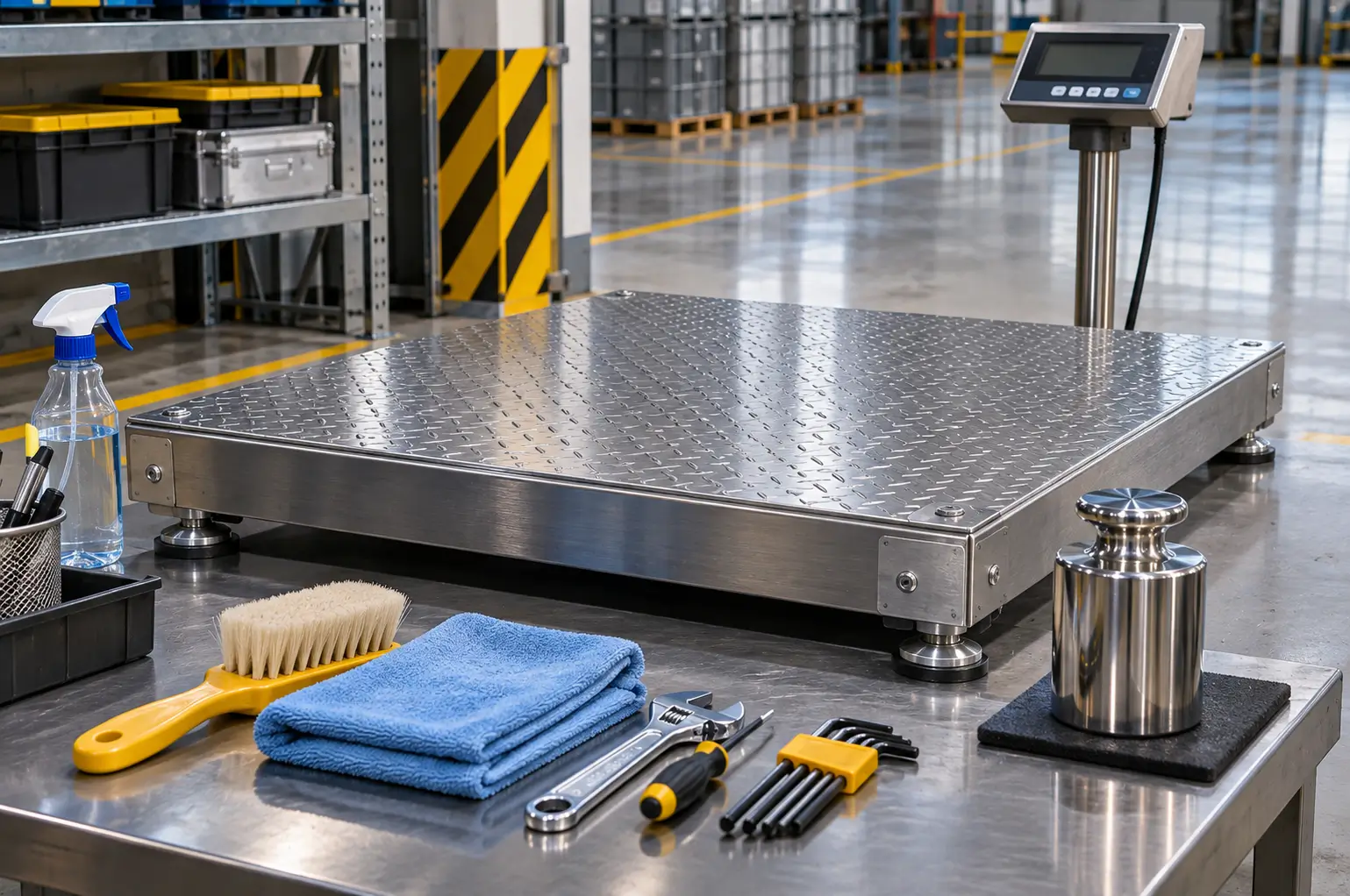
Platform Scale vs Floor Scale: Which One Should You Choose?
Both platform scales and floor scales are designed for industrial weighing, but the right choice depends on your application.
Platform Scale:
- Suitable for bags, cartons, drums, and medium-sized loads
- Requires less installation space
- Ideal for general industrial weighing
Floor Scale:
- Designed for pallets and extremely heavy materials
- Suitable for forklift loading
- Common in warehouses and manufacturing facilities
If your operation involves heavy palletized goods, a floor scale may be more suitable. For general industrial floor scale weighing, a platform scale is often the ideal choice.
Final Thoughts
Choosing the best platform scale for industrial use depends on your business requirements, weighing capacity, accuracy needs, operating environment, and future growth plans.
Investing in a reliable industrial weighing system improves efficiency, reduces errors, and supports better decision-making. A professional supplier like Al Falah Scales can help you select the right weighing solution for your industry.