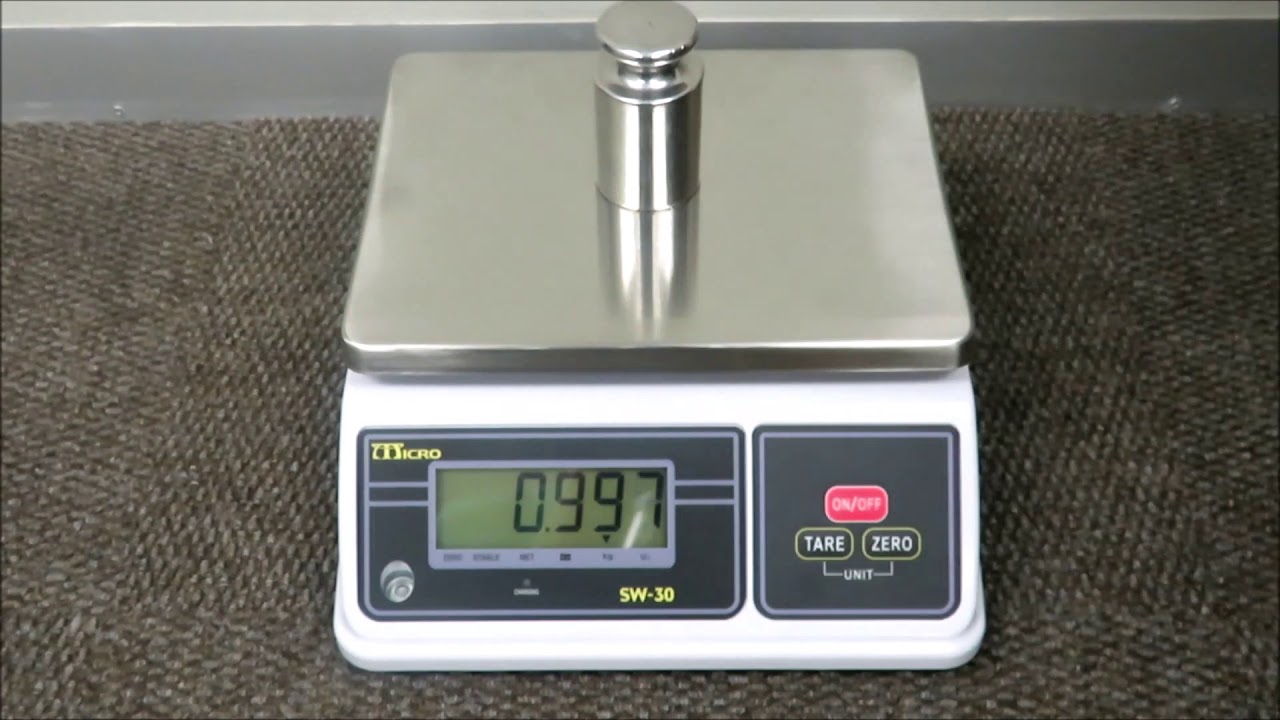
Accurate weight measurement is essential for businesses across the UAE. Whether you operate a supermarket, warehouse, restaurant, manufacturing facility, laboratory, logistics company, or industrial operation, choosing the right weighing equipment can improve accuracy, productivity, inventory control, and day-to-day efficiency.
Digital weighing scales have become a preferred choice because they provide clear readings, convenient operation, and useful features for different commercial and industrial applications. However, with numerous capacities, sizes, accuracy levels, and scale types available, selecting the right model requires more than simply choosing a scale that can handle the required weight.
This complete buying guide explains what UAE businesses should consider before investing in a digital weighing scale.
What Is a Digital Weighing Scale?
A digital weighing scale is an electronic measuring device that converts the force created by an object’s weight into a digital reading. Unlike traditional mechanical scales, digital models display the measurement electronically, making results easier and faster to read.
Depending on the model and application, digital scales can also provide features such as:
- Tare functionality
- Multiple weighing units
- Counting functions
- Check weighing
- Data storage
- Printing compatibility
- External displays
- Rechargeable batteries
- Computer or POS connectivity
These features make digital weighing equipment suitable for everything from small retail transactions to demanding industrial weighing operations.
Why UAE Businesses Are Choosing Digital Weighing Scales
Businesses need accurate information to control costs and maintain efficient operations. Even small weighing errors can become significant when hundreds or thousands of transactions are processed every month.
Digital weighing scales provide several important advantages.
Better Accuracy
One of the biggest advantages of digital scales is measurement precision. Businesses dealing with valuable products, ingredients, raw materials, components, or packaged goods can benefit from more consistent weight readings.
Easy-to-Read Displays
Digital displays make measurements immediately visible and reduce the difficulty of interpreting mechanical indicators.
Faster Operations
Quick weight readings help employees process products, packages, materials, and customer transactions more efficiently.
Useful Additional Functions
Modern digital weighing systems can include tare, counting, unit conversion, check weighing, printing, and data connectivity depending on the equipment selected.
Wide Range of Applications
Digital weighing technology can be used across retail stores, warehouses, factories, laboratories, kitchens, logistics operations, construction businesses, and many other UAE industries.
Types of Digital Weighing Scales for UAE Businesses
The right scale depends primarily on what your business needs to weigh and where the equipment will be used.
-
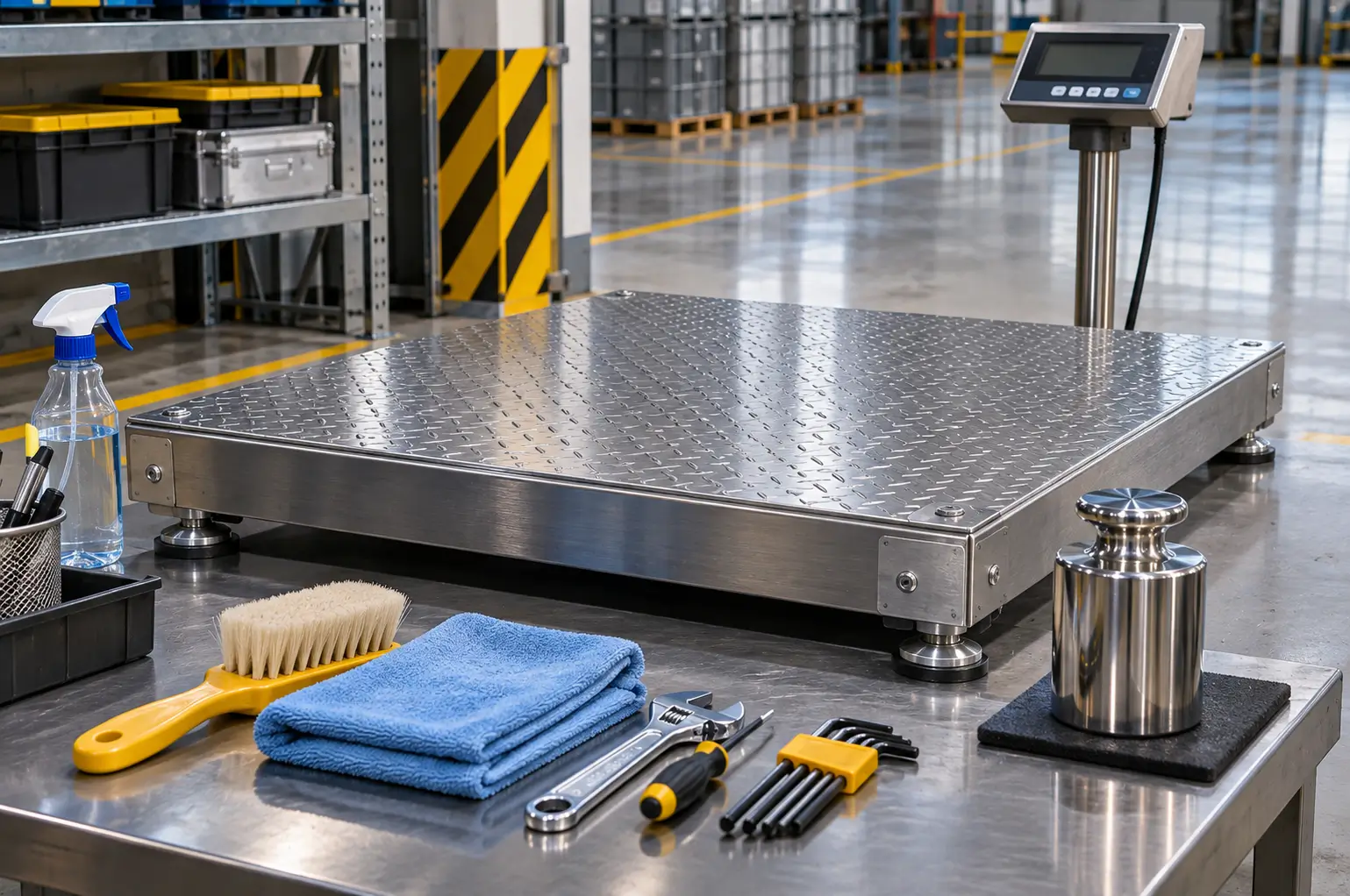
Platform Scales
Platform scales are widely used in warehouses, factories, shipping departments, manufacturing facilities, and commercial operations.
They feature a weighing platform on which boxes, containers, products, and materials can be placed.
Platform scales are particularly useful when your business requires:
- Medium to heavy weighing capacity
- A durable weighing surface
- Frequent daily use
- Easy loading and unloading
- Clear digital readings
Businesses handling cartons, inventory, ingredients, raw materials, and manufactured goods should consider platform scales.
Explore the available platform weighing solutions from Al Falah Scales when selecting equipment for commercial or industrial applications.
-
Laboratory Scales
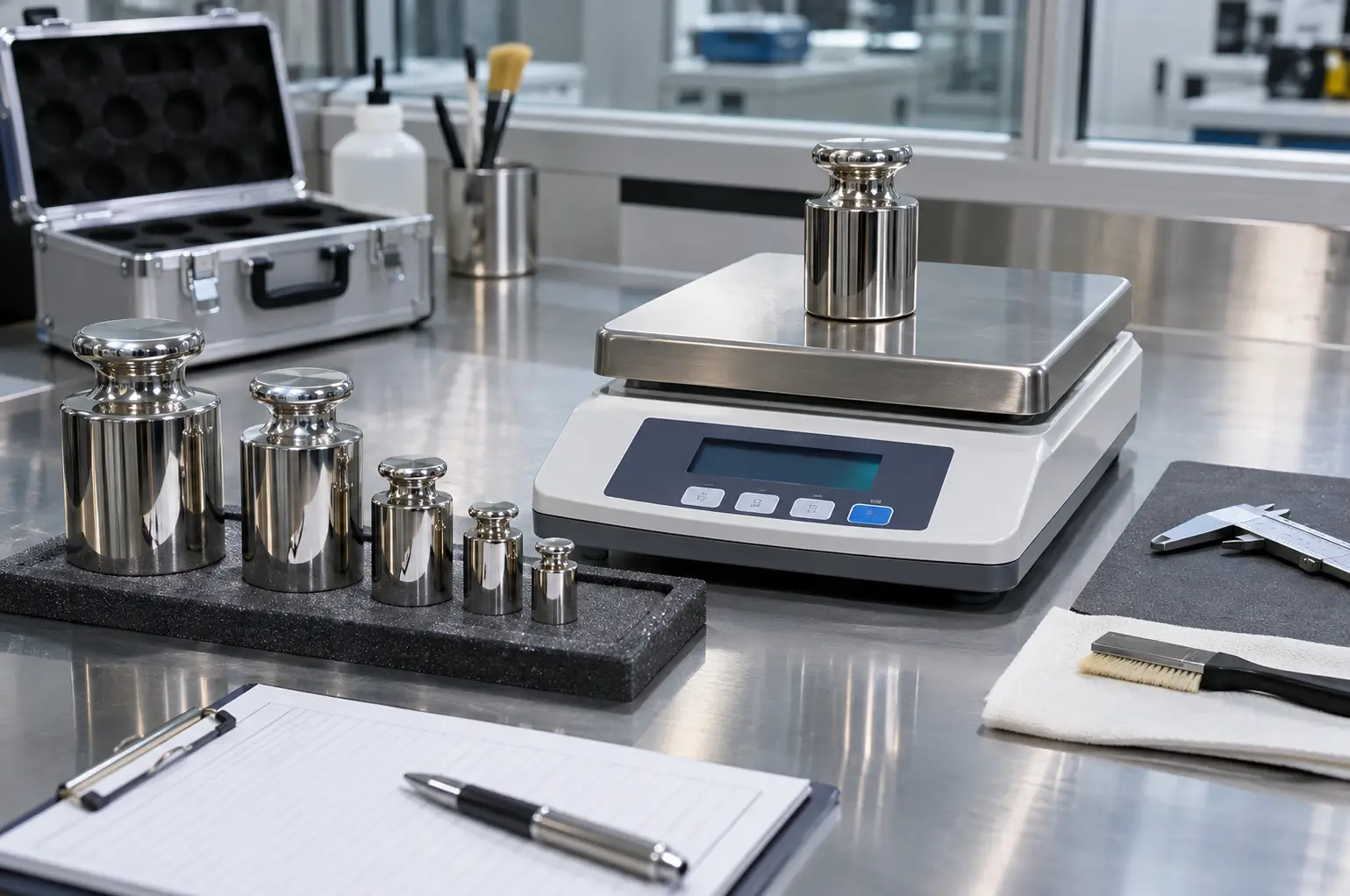
Laboratories and businesses dealing with very small quantities generally require greater precision than standard commercial applications.
Laboratory scales are designed for applications where measurement accuracy is especially important. They may be suitable for laboratories, quality-control departments, educational facilities, manufacturing processes, and businesses working with small components or samples.
When buying a laboratory scale, pay particular attention to readability, maximum capacity, calibration requirements, and the environment in which the scale will operate.
-
Crane Scales
When an item cannot conveniently be placed on a traditional platform, a crane scale can provide an effective solution.
Digital crane scales are commonly used for suspended loads in industrial, warehouse, manufacturing, and material-handling environments.
Before selecting a crane scale, businesses should carefully evaluate its rated capacity, safety requirements, operating environment, display visibility, and compatibility with existing lifting equipment.
-
Counting Scales
Businesses managing large quantities of identical small items can benefit from counting scales.
Instead of manually counting hundreds of components, a counting scale calculates quantity based on the weight of a sample.
These scales can be useful for:
- Hardware businesses
- Spare-parts suppliers
- Manufacturing facilities
- Warehouses
- Packaging operations
- Inventory management
A reliable counting scale can reduce manual counting time and improve stock-management efficiency.
-
Retail and Price-Computing Scales
Retail businesses may require digital scales capable of calculating a product’s price based on its weight.
These scales are commonly relevant for grocery stores, supermarkets, food retailers, markets, and other businesses selling products by weight.
When selecting a retail scale, consider display visibility, keypad usability, weighing capacity, accuracy, and integration requirements.
How to Choose the Right Digital Weighing Scale
Choosing a scale based only on price can lead to poor performance or unnecessary replacement costs. Businesses should evaluate several technical and operational factors first.
Determine the Maximum Capacity
Start by identifying the heaviest item you expect to weigh.
For example, a business regularly weighing 100 kg loads should not select equipment whose maximum capacity barely meets that requirement. Choosing appropriate capacity provides greater flexibility for normal operations.
At the same time, unnecessarily high capacity may not be ideal when very fine measurement resolution is required.
The objective is to balance capacity and accuracy.
Consider the Required Accuracy
Not every business needs the same level of precision.
A warehouse weighing large cartons may have very different accuracy requirements from a laboratory measuring small samples.
Ask:
- What is the smallest weight difference we need to identify?
- How valuable is the material being weighed?
- Could a small measurement error affect pricing or production?
- Are there industry-specific measurement requirements?
Answering these questions will help determine the required scale resolution.
Check the Platform Size
Capacity is not the only physical consideration. The weighing platform also needs to accommodate your products.
Large boxes on a very small platform can make weighing inconvenient and may affect operational efficiency.
Before purchasing, consider both the dimensions and weight of the products your team handles regularly.
Choose the Right Display
The display should remain easy to read in the scale’s normal working environment.
Depending on your operation, you may need:
- Large digital characters
- Bright displays
- Separate indicators
- Remote displays
- Multiple display positions
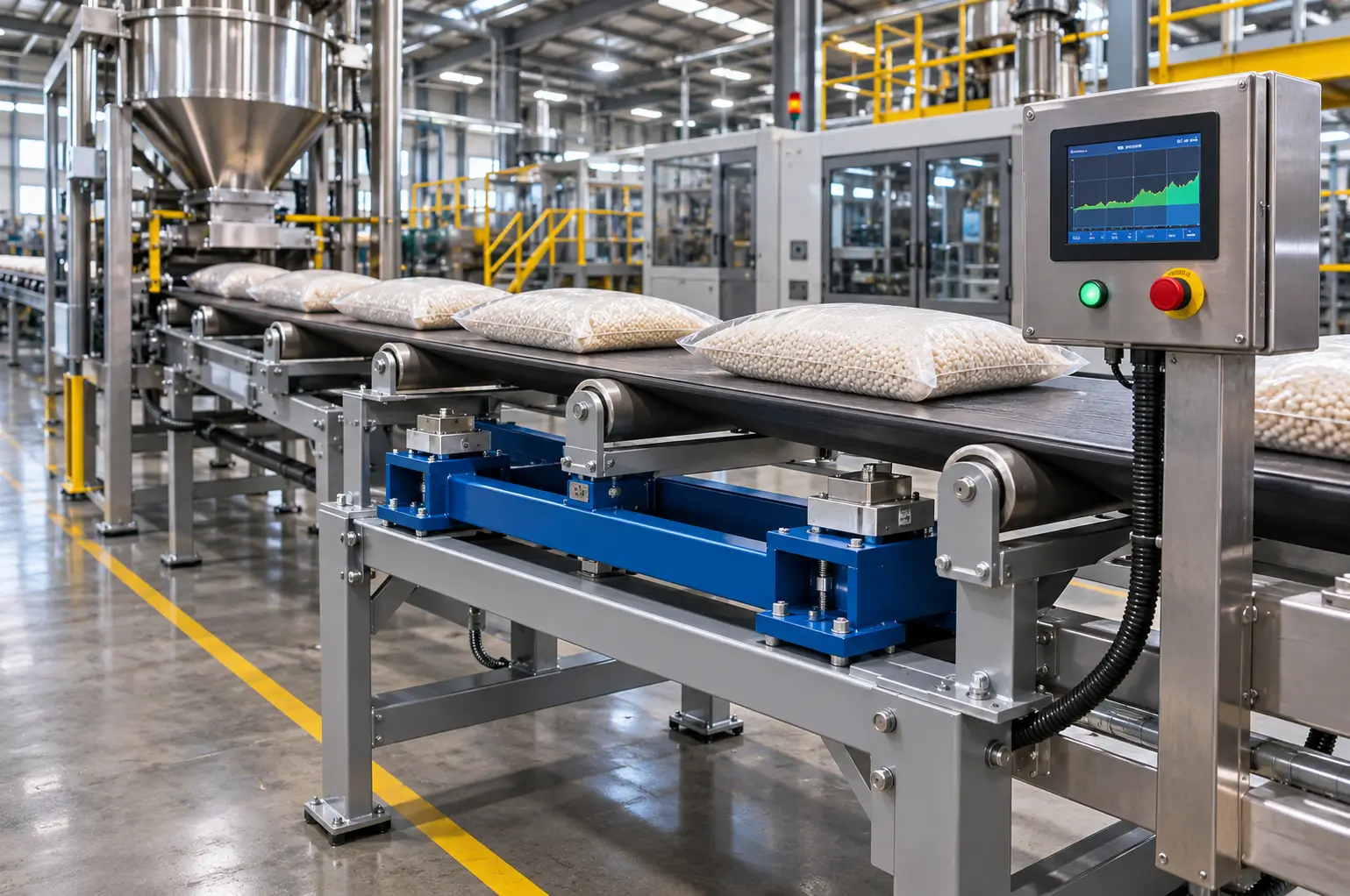
Industrial operations may also benefit from external weighing indicators that allow operators to read measurements from a more convenient location.
Look for Tare Functionality
Tare is one of the most useful features for businesses that weigh products inside containers.
For example, if a container weighs 2 kg and its contents weigh 10 kg, the tare function allows the scale to exclude the container and display only the net weight of the contents.
This is particularly valuable in food preparation, manufacturing, packaging, and warehousing.
Consider Power Requirements
Think about where your weighing scale will be installed.
A scale positioned permanently near an electrical outlet may work well with mains power. Mobile operations or locations where power availability is limited may benefit from rechargeable battery operation.
For greater flexibility, businesses can consider models supporting both mains and battery operation.
Consider Connectivity and Printing
Some businesses need more than a weight displayed on a screen.
Depending on your workflow, you may require the weighing system to communicate with:
- Computers
- Printers
- POS systems
- Inventory software
- External displays
- Data-management systems
Discuss these requirements before purchasing rather than attempting to add incompatible equipment later.
Check the Operating Environment
A digital scale used inside a clean, air-conditioned shop faces different conditions from one operating inside a warehouse or industrial facility.
Consider factors such as:
- Dust
- Moisture
- Temperature
- Vibration
- Frequent movement
- Heavy loading
- Cleaning requirements
For demanding environments, durability should be an important part of the purchasing decision.
Calibration and Long-Term Accuracy
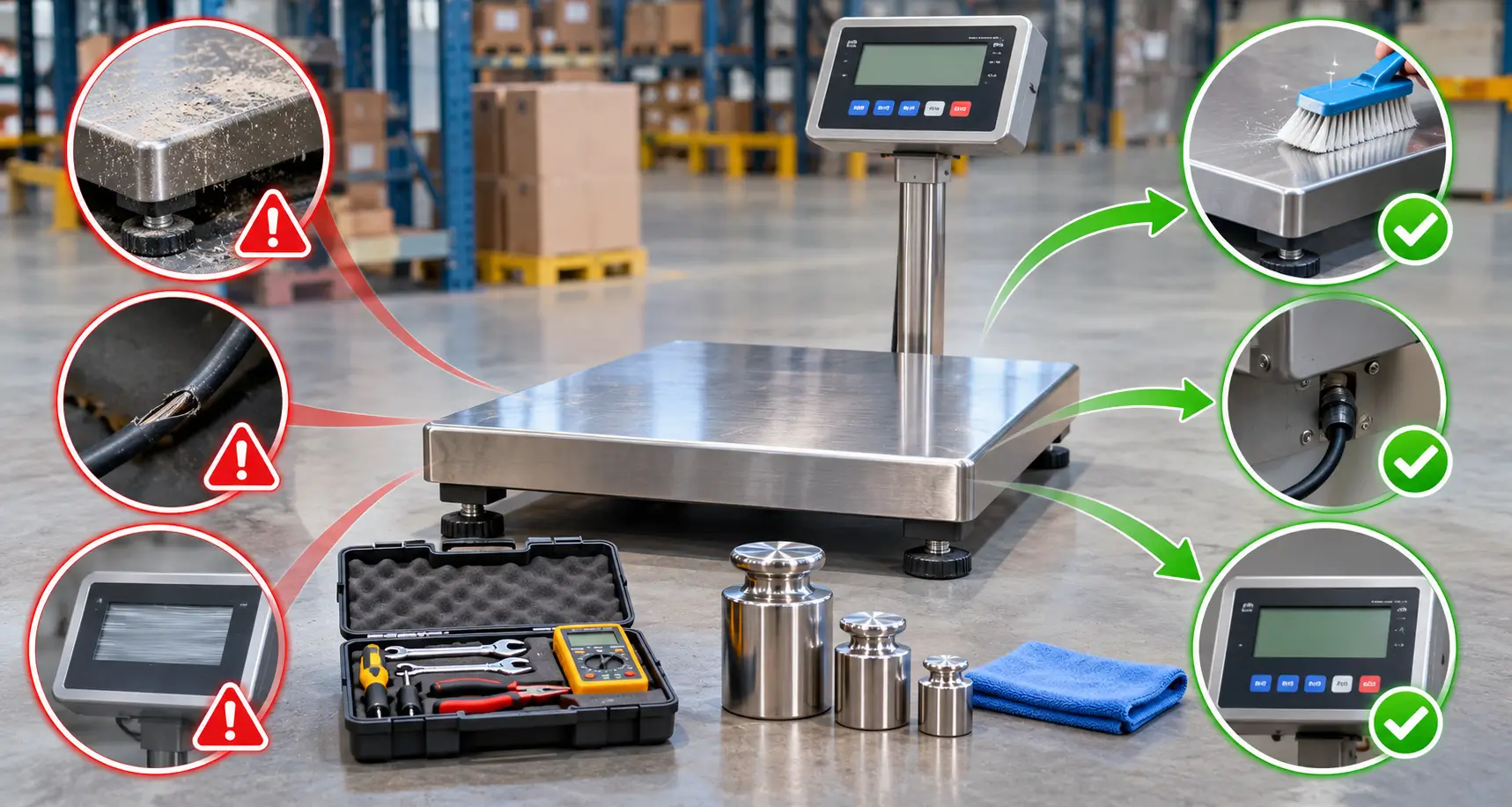
Even a high-quality digital weighing scale needs appropriate maintenance to continue producing dependable measurements.
Calibration helps verify that the scale is providing readings within the required tolerance.
Businesses should consider how frequently equipment will be used, the working environment, the importance of measurement accuracy, and any applicable operational requirements when establishing a calibration and maintenance schedule.
Common Mistakes When Buying a Digital Weighing Scale
A weighing scale is an operational investment, so businesses should avoid purchasing equipment without first understanding their requirements.
Common mistakes include:
- Choosing a scale only because it is inexpensive
- Selecting insufficient maximum capacity
- Ignoring required measurement resolution
- Buying a platform that is too small
- Overlooking the operating environment
- Ignoring connectivity requirements
- Not considering calibration and maintenance
- Purchasing equipment that is unsuitable for the intended application
Defining your weighing requirements before comparing models can prevent many of these problems.
Which Digital Scale Is Best for Your Business?
There is no single digital weighing scale that is ideal for every UAE business.
A retail store may need a compact commercial scale, while a warehouse could require a heavy-duty platform scale. A laboratory may prioritize precision, whereas an industrial facility may need higher capacity and greater durability.
Before purchasing, identify:
- What you will weigh
- Minimum and maximum expected weight
- Required accuracy
- Product dimensions
- Daily weighing frequency
- Working environment
- Required functions
- Connectivity requirements
- Power requirements
- Future business needs
This information makes it much easier to select equipment that matches your operation.
Why Choose Al Falah Scales?
Choosing the correct weighing equipment is easier when you work with a supplier that offers solutions for different commercial and industrial applications.
Al Falah Weight Equipment Tr L.L.C. provides weighing equipment and related solutions in the UAE, including platform scales, laboratory scales, crane scales, indicators, load cells, printers, junction boxes, and other weighing-system components.
Businesses can discuss their capacity, accuracy, application, and operational requirements before selecting suitable weighing equipment.
Learn More About Digital Weighing Scales in the UAE
If you want to understand the advantages and applications of electronic weighing technology in more detail, read Al Falah Scales’ existing guide:
Choose the Right Weighing Scale for Your Business
This supporting article explains digital weighing technology, its benefits, common applications, and how digital scales are being used across different sectors in the UAE.
You can also internally link relevant product/category pages throughout this article using anchor text such as:
- Platform Scales
- Laboratory Scale
- Crane Scale
- Weighing Indicators
- Load Cells
- Weighing Scale Supplier in UAE
These contextual links can help visitors move from educational content to relevant weighing solutions while strengthening the website’s internal SEO structure.
Final Thoughts
The best digital weighing scale is not necessarily the model with the highest capacity or the most features. It is the scale that accurately matches your business application.
Consider capacity, accuracy, platform dimensions, environment, power supply, connectivity, durability, and ongoing calibration before making your decision.
The right weighing equipment can help your UAE business achieve more consistent measurements, improve productivity, reduce unnecessary errors, and create a more efficient weighing process.
For professional assistance in choosing a digital weighing scale for your business, contact Al Falah Weight Equipment and discuss your specific weighing requirements with their team.