When a loaded truck enters a factory, logistics yard, recycling facility, construction site, or warehouse, knowing its exact weight is more important than it may seem. Businesses need accurate vehicle weights to control inventory, calculate material quantities, prevent overloading, verify deliveries, and maintain reliable records.
This is where a weighbridge becomes essential.
A weighbridge is essentially a large industrial weighing scale designed to weigh complete vehicles, including trucks, trailers, tankers, and other heavy commercial vehicles. Unlike ordinary weighing equipment, it is engineered to handle very large loads while producing consistent measurements in demanding industrial environments.
For companies operating fleets or handling bulk materials in the UAE, choosing the correct weighbridge system can improve both operational control and weighing efficiency.
What Is a Weighbridge?
A weighbridge, sometimes called a truck scale, is a heavy-duty platform used to determine the weight of a vehicle and its load.
The vehicle is driven onto the weighing platform, where sensors underneath the structure measure the force created by its weight. That information is converted into an electrical signal, processed by the weighing system, and displayed as a readable weight.
In practical operations, weighbridges are commonly used to calculate either the total vehicle weight or the actual weight of goods being transported.
For example, a truck can be weighed when loaded and then weighed again after unloading. The difference between the two measurements provides the weight of the material that was delivered.
This simple process plays a major role in industries where even a small weight discrepancy across hundreds of deliveries can eventually create significant inventory or financial differences.
How Does a Weighbridge Work?
Although a weighbridge looks like a large steel platform, several components work together beneath and around it.
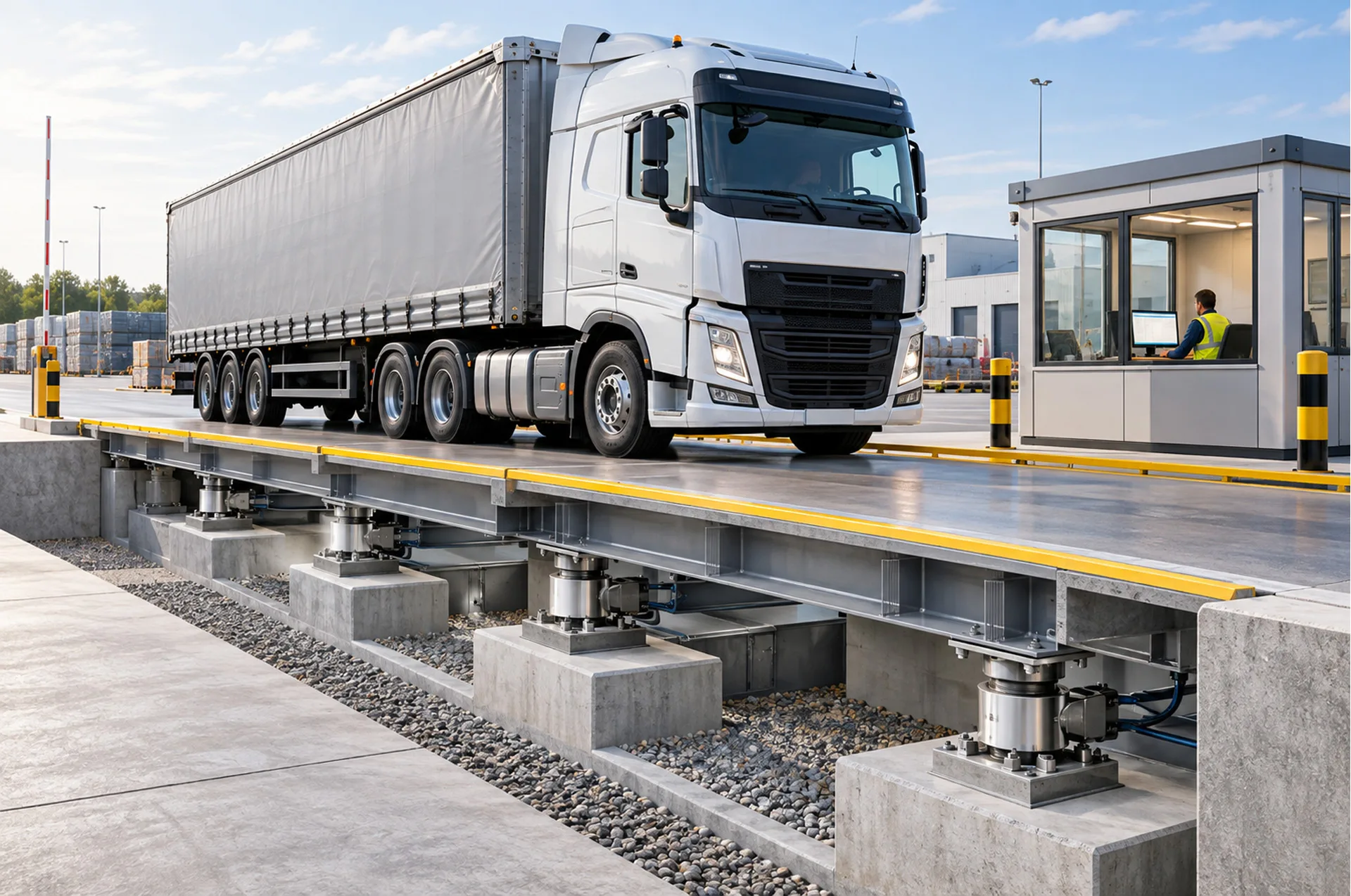
When a vehicle drives completely onto the platform, the load is transferred through the structure to multiple load cells. These load cells sense the force applied by the vehicle and convert that force into an electrical signal.
The signals are then transmitted through the weighing electronics to the indicator. The system processes information from the individual sensors and calculates the total weight.
The operator can then view the final measurement through a digital display, computer system, external display, or connected weighbridge software.
Businesses looking at the technical side of their weighing equipment can explore different load cells and weighing indicators used in modern industrial weighing applications.
The Main Components Behind a Weighbridge
A dependable weighbridge is not just about having a strong platform. Accuracy depends on the complete system working correctly.
The platform provides the surface on which the vehicle stands. Beneath it, load cells perform the actual weight sensing. A junction arrangement combines signals from multiple load cells, while the weighing indicator converts those signals into a number the operator can read.
Modern installations may also include barriers, traffic lights, cameras, printers, vehicle identification systems, remote displays, computers, and weighing software.
In automated facilities, several of these components can work together without requiring an operator to manually record every vehicle.
That combination of mechanical strength, electronic measurement, and software integration is what turns a steel platform into a complete vehicle weighing system.
Gross Weight, Tare Weight and Net Weight Explained
Understanding three basic terms makes weighbridge operation much easier.
Gross weight is the total weight of the loaded vehicle.
Tare weight is the weight of the vehicle without the material or goods being measured.
Net weight is the actual weight of the cargo.
The calculation is straightforward:
Net Weight = Gross Weight − Tare Weight
Imagine that a loaded truck weighs 38,000 kg when it arrives. After unloading, the empty truck weighs 15,500 kg. The actual cargo delivered would therefore weigh 22,500 kg.
For businesses receiving materials by the tonne, this measurement provides an objective record instead of depending only on shipment estimates or paperwork.
Different Types of Weighbridges
Not every facility needs the same installation. Site layout, available space, traffic volume, civil work requirements, future expansion and operational workflow all influence the right choice.
Pit-Mounted Weighbridges
A pit-mounted weighbridge is installed so that the weighing platform remains approximately level with the surrounding road surface.
One major advantage is compact vehicle access. Because the scale does not sit significantly above ground level, long approach ramps are generally unnecessary.
This makes pit-type systems especially useful where available space around the weighing area is limited or where vehicles need convenient access from different directions.
Pitless or Surface-Mounted Weighbridges
A pitless weighbridge sits above ground level and uses approach ramps to allow vehicles onto and off the platform.
This arrangement can make access to important weighing components more convenient during inspection or maintenance.
The best choice between pit and pitless configurations should therefore be based on actual site conditions rather than simply selecting one design because it is commonly used elsewhere.
Portable Weighbridges
Portable or mobile weighbridges are useful for operations where the weighing system may need to be relocated.
They can be particularly relevant for temporary projects, changing industrial sites or businesses that want more installation flexibility than a conventional permanent system offers.
Unmanned Weighbridges
Vehicle weighing is also becoming increasingly automated.
An unmanned or automatic weighbridge can combine the weighing platform with automated identification, software and access-control technologies to reduce the amount of manual intervention required during each transaction.
For high-traffic locations, automation can help streamline repetitive weighing operations and create more organized digital records.
Why Are Weighbridges Important for Businesses?
The value of a weighbridge extends well beyond displaying a truck’s weight.
Accurate weighing gives businesses better control over incoming and outgoing materials. A quarry can record aggregates leaving its facility. A recycling company can weigh collected material. A manufacturer can verify raw-material deliveries, while a logistics operation can monitor vehicle loads before dispatch.
Reliable weight data can also help companies identify discrepancies between expected and received quantities.
Another important issue is vehicle loading. Knowing the actual loaded weight allows fleet operators to make informed loading decisions rather than relying entirely on estimates.
The result is better visibility across purchasing, dispatch, inventory and transportation operations.
Industries That Commonly Use Weighbridges
Vehicle weighing is especially valuable in industries where goods are transported in bulk.
Construction and building-material companies use weighbridges for sand, aggregate, cement and related materials. Waste-management and recycling businesses use them to record incoming or outgoing loads. Manufacturing facilities may use them for raw-material control, while logistics companies use vehicle weighing as part of dispatch and load-management processes.
Agriculture, mining, ports, warehouses, metal businesses and many other heavy industries also depend on reliable vehicle-weight information.
In each case, the product being transported may be different, but the objective remains similar: obtain an accurate, traceable measurement of what enters or leaves the facility.
What Can Affect Weighbridge Accuracy?
Purchasing a quality weighbridge is only the beginning. Installation conditions and ongoing maintenance also matter.
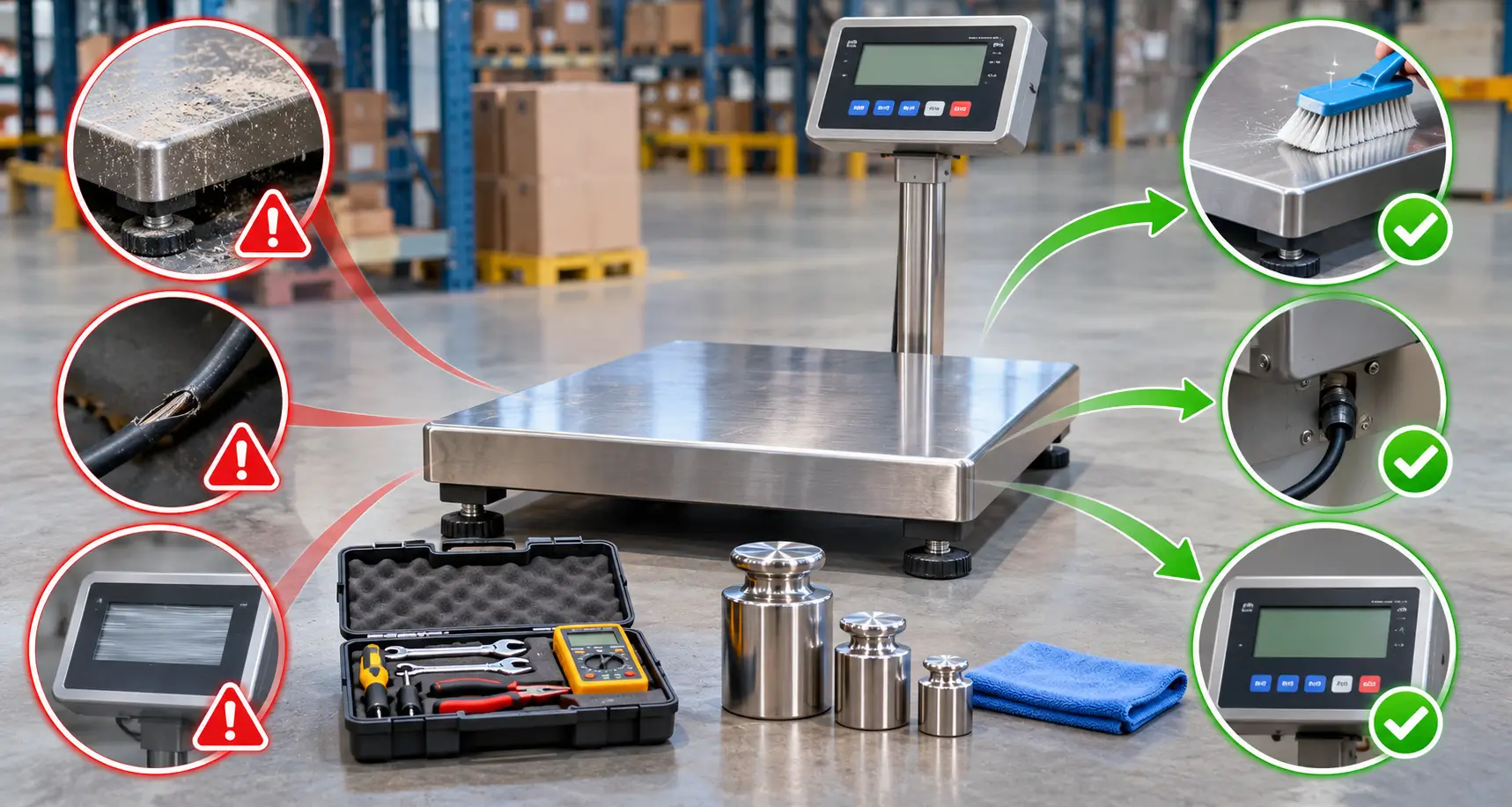
Changes in platform alignment, damaged components, dirt or material accumulating around the structure, electrical faults, incorrect calibration, poor foundations and repeated heavy loading can potentially affect system performance.
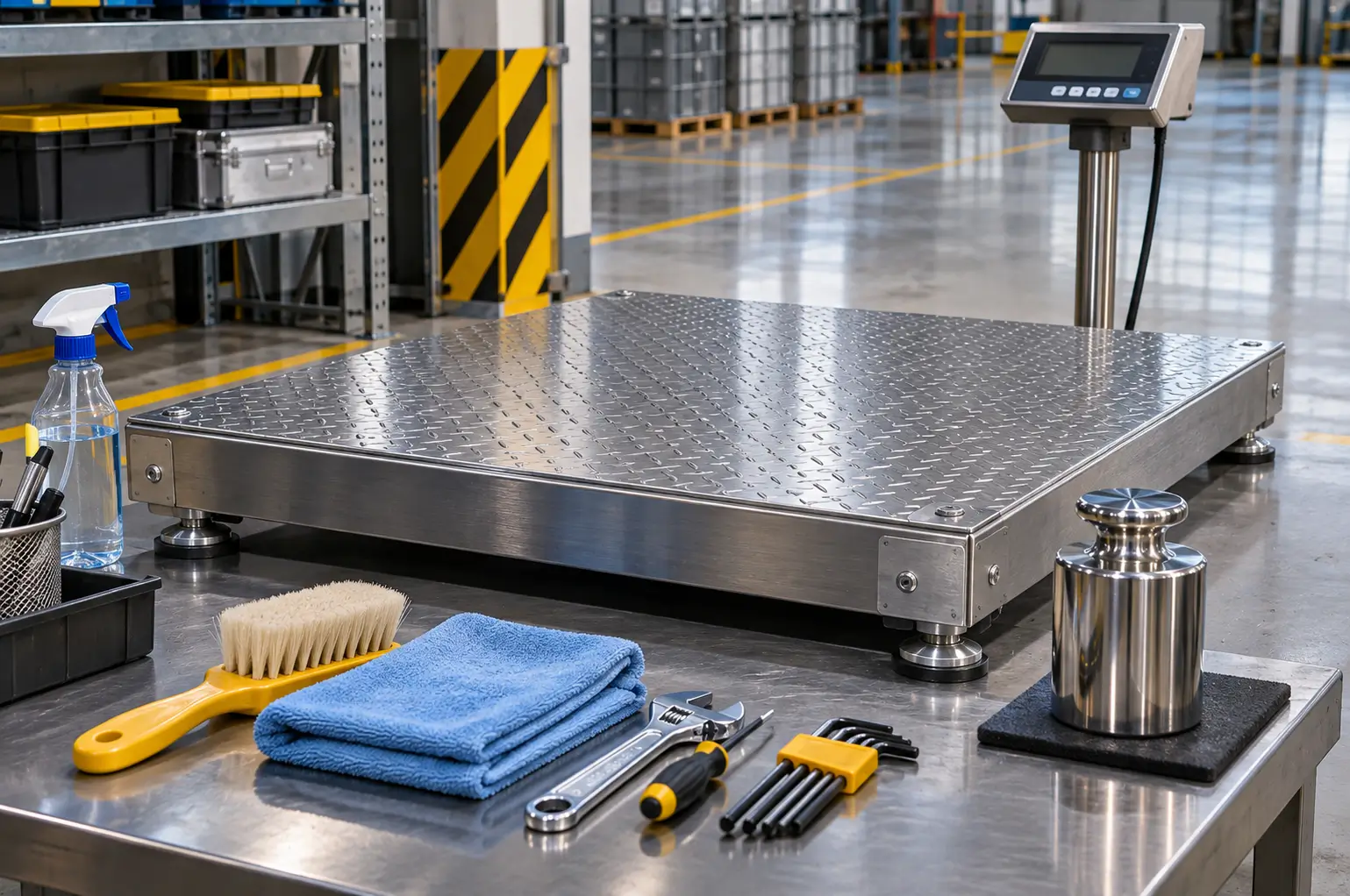
That is why inspection and calibration should be treated as part of normal weighbridge operation rather than something considered only when obviously incorrect readings appear.
Professional weighing scale services can help businesses maintain weighing equipment and identify issues before they begin disrupting daily operations.
Choosing the Right Weighbridge for Your Facility
Before purchasing a weighbridge, start with the vehicles that will actually use it.
Consider their maximum expected loaded weight, vehicle dimensions, axle configuration and the number of weighing transactions expected each day.
Next, examine the physical site. Is there enough room for ramps? Would a ground-level pit installation suit traffic movement better? Does the business expect the weighbridge to remain permanently in one location, or could relocation become necessary?
Environmental conditions and future operational growth should also influence the decision.
The cheapest system today is not necessarily the most economical solution over years of industrial use. Structural quality, reliable weighing components, proper installation, technical support and maintainability should all be considered when comparing options.
Weighbridge Solutions from Al Falah Scales
Al Falah Scales provides industrial weighing solutions for businesses across different applications in the UAE. Its weighbridge range includes pit-mounted, surface-mounted, portable and automated configurations alongside supporting weighing components.
Instead of viewing the weighbridge as an isolated product, businesses should consider the complete weighing environment: platform design, load cells, indicators, installation conditions, vehicle movement and ongoing service.
You can explore the complete Al Falah Scales weighbridge range or contact Al Falah Scales to discuss a vehicle-weighing requirement based on your site and operational needs.
Frequently Asked Questions About Weighbridges
What is a weighbridge used for?
A weighbridge is used to measure the weight of trucks, trailers and other heavy vehicles. It is commonly used to determine vehicle weight as well as the quantity of goods or materials being transported.
How does a weighbridge calculate cargo weight?
The vehicle is usually weighed when loaded and again when empty. Subtracting the tare or empty vehicle weight from the gross loaded weight provides the net cargo weight.
Is a weighbridge the same as a truck scale?
In most industrial contexts, yes. “Weighbridge” and “truck scale” are commonly used to describe large weighing systems designed for complete commercial vehicles.
What are load cells in a weighbridge?
Load cells are sensors positioned beneath the weighing platform. They detect the force created by the vehicle and convert it into an electrical signal that the weighing system uses to calculate weight.
What is the difference between pit and pitless weighbridges?
A pit weighbridge is installed approximately level with the road surface, while a pitless system is mounted above ground and normally requires approach ramps. Site space and operational requirements often determine which configuration is more suitable.
Can a weighbridge operate automatically?
Yes. Automated or unmanned weighbridge systems can incorporate identification, software, cameras and access controls to reduce manual involvement in routine weighing transactions.
Which industries need weighbridges?
They are widely used across logistics, construction, recycling, manufacturing, mining, agriculture, ports, warehouses and other industries that receive or dispatch heavy vehicle loads.
How often should a weighbridge be calibrated?
Calibration requirements depend on the application, workload, local requirements and operating environment. Regular checks and professional servicing help maintain measurement reliability.
What should I consider before buying a weighbridge?
Consider maximum vehicle weight, platform dimensions, traffic volume, available installation space, foundation requirements, environmental conditions, automation needs and future business growth.
Where can I find weighbridges in the UAE?
Businesses looking for industrial vehicle-weighing equipment can explore the weighbridge solutions available from Al Falah Scales and discuss suitable configurations based on their site requirements.
Final Thoughts
A weighbridge may appear to perform one simple task—measuring the weight of a vehicle—but that measurement can influence inventory control, purchasing, transportation, material tracking and everyday operational decisions.
A properly selected and maintained system gives businesses dependable information every time a vehicle enters or leaves the facility.
The important part is choosing a weighbridge around real operating conditions rather than selecting equipment based only on capacity or price. Vehicle dimensions, traffic flow, installation space, structural requirements, weighing technology and long-term service all matter.
For businesses in the UAE looking for a reliable industrial vehicle-weighing solution, Al Falah Scales offers multiple weighbridge configurations along with load cells, weighing indicators and technical weighing support to help build a complete system.